North of the city, under the storm track
Summer convection over York Region does not treat every town equally, and Newmarket sits where afternoon cells coming off the Holland Marsh flatlands have had room to build. When one of them drops hail, the town’s housing stock decides who pays: the newer subdivisions — Woodland Hill, Copper Hills, the streets east toward the 404 — were built with two cars per household and driveways to match, but their trees are still saplings. Thousands of vehicles sit in the open under the same five minutes of ice. The mall and plaza lots along Yonge and Davis do the same to whoever was shopping when the sky turned.
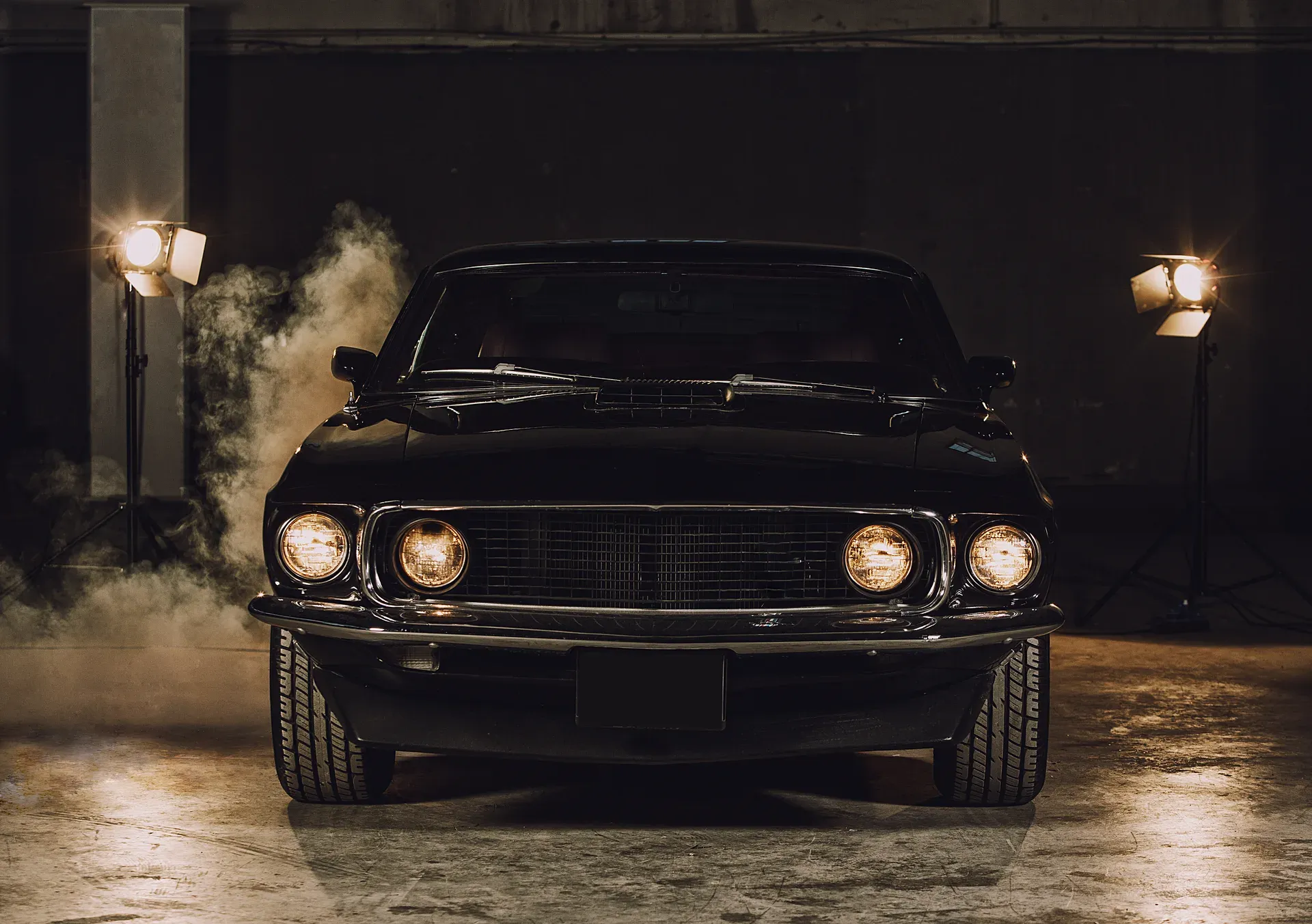
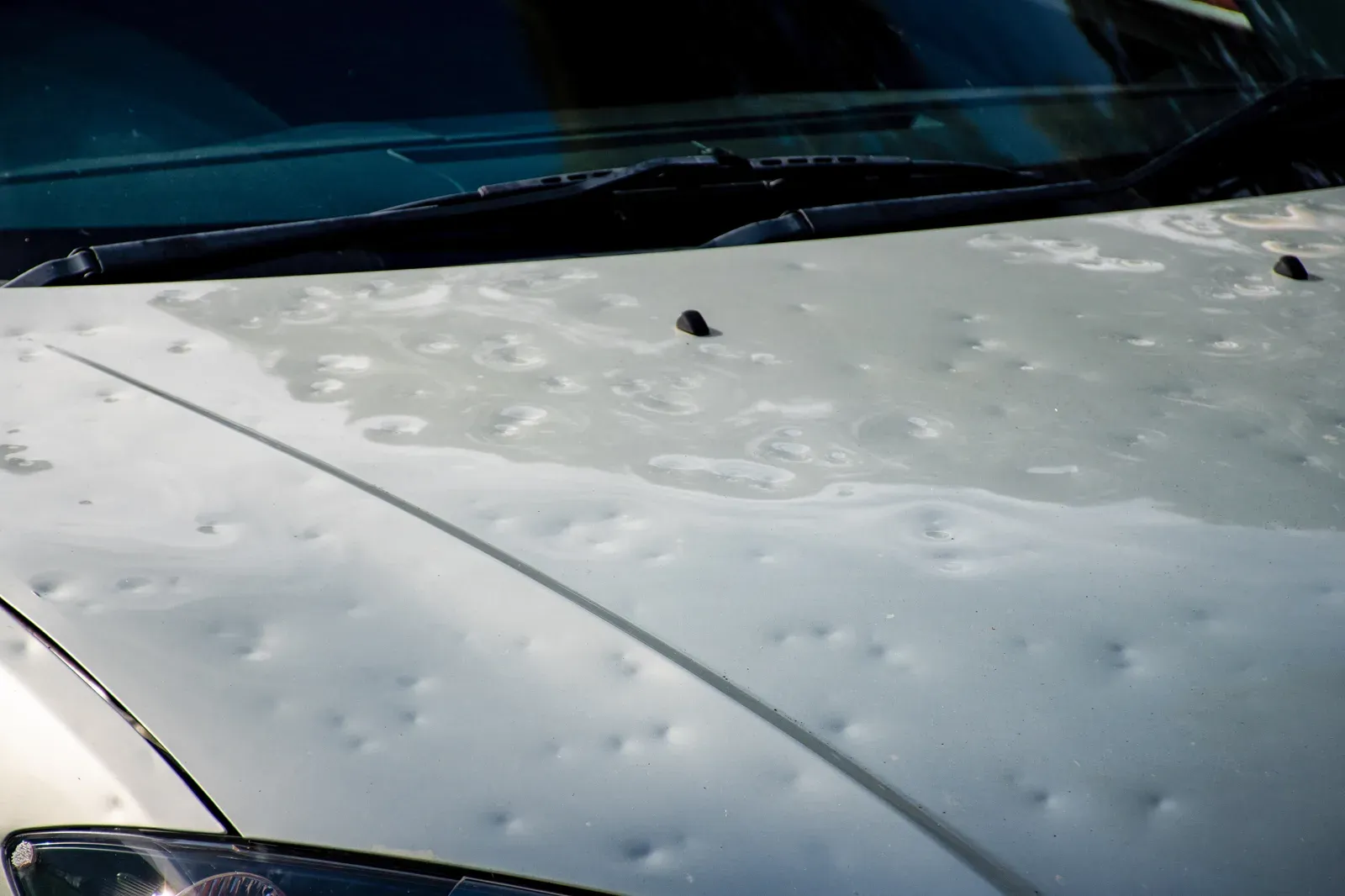
Hail damage is deceptive in ordinary light. Walk out after the storm and a dark car in an overcast afternoon can look untouched; park the same car under our assessment lights and the roof, hood, and deck lid show the true count — often dozens of shallow dents per panel, each one small, all of them together a serious estimate. That gap between what the driveway shows and what the lights show is why hail cars should be catalogued panel by panel before anyone, including your insurance company, settles on a number.
What a proper hail repair involves
No two hail cars carry the same damage, so the repair plan is built panel by panel. Shallow dents in accessible steel can often be worked back without disturbing the finish; sharper strikes that have stretched the metal or cracked the paint need conventional repair and refinishing; and a roof or hood peppered densely enough — aluminium panels especially, which do not move like steel — is sometimes better replaced than repaired, a call we make on cost and quality together. The estimate you and your insurance company receive maps every panel to its method, so nothing is averaged, guessed, or quietly skipped.
Where refinishing is involved, the same standards apply as on any collision job: colour mixed to code, tuned to the car’s aged finish, blended into adjacent panels, and covered by our lifetime paint warranty. Where panels are replaced, we request OEM. And before pickup the car goes back under the lights it was assessed under, because the only honest way to close a hail file is to prove the count went to zero — not to hand back keys in the same flat daylight that hid the damage in the first place.
- Panel-by-panel damage map made under assessment lighting
- Repair method chosen per panel — worked metal, conventional repair, or replacement
- OEM panels requested where replacement wins on quality
- Final inspection under the same lights before the car goes home
The claim: comprehensive, no fault attached, your shop choice intact
Hail lands under the comprehensive section of your policy — there is no at-fault driver, no Fault Determination Rules, just your deductible and the damage. Whether to claim is arithmetic we help you do first: a light peppering on one panel may cost less than your deductible, while a full roof-hood-deck event is firmly claim territory. Photograph the car where it sat, note the date of the storm, and notify your insurance company promptly; then send us the photos and claim number at (647) 594-3401 and the file moves to our office.
After a storm crosses York Region, the insurance-preferred shops nearest the damage fill up first, and hail cars can wait weeks for an assessment slot. Distance cuts the other way here: Ontario law makes the shop your choice, our schedule is not tied to Newmarket’s storm backlog, and the 404 puts us thirty-odd minutes from your driveway. We book your rental through your coverage to the day you drop off, keep the car indoors from arrival to pickup, and run every conversation — adjuster included — so you are not translating between parties.