The no-polish rule rewrites everything
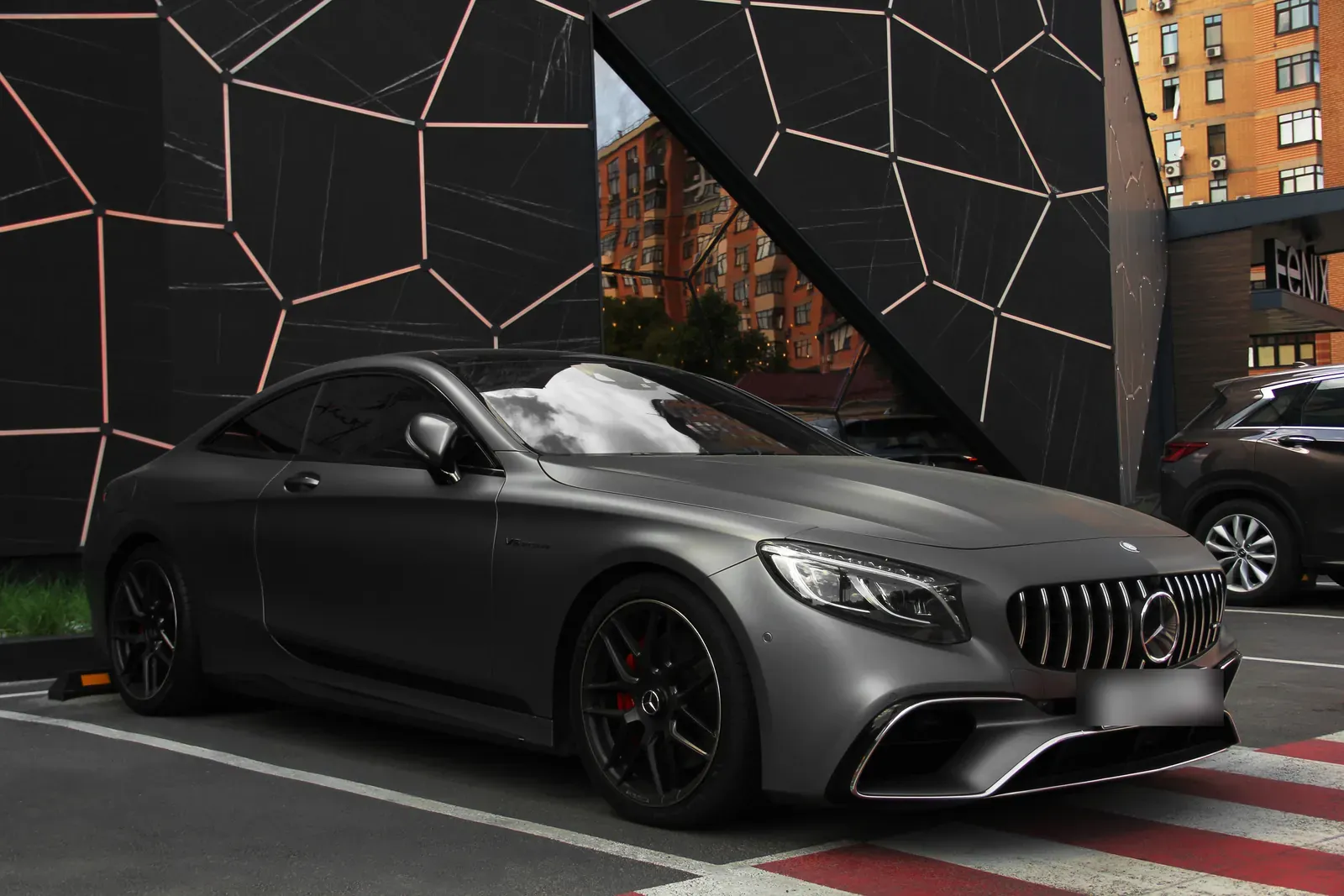
A matte finish isn’t a different colour — it’s a different surface. Flattening agents in the clearcoat leave it microscopically textured, so light scatters instead of bouncing back cleanly, and that scatter is the entire look. Polish the surface and you smooth the texture away; the light starts reflecting in an organized way, which is the definition of shine. On gloss paint that’s the goal. On matte it’s permanent damage, because no product on any shelf puts the scatter back.
That single fact deletes most of the gloss-repair toolkit. Buffing out a scratch, chasing swirl marks, cutting and polishing after paint, machine-waxing a dull patch back to life — every one of those moves creates shiny spots on a matte car. Damage that would cost an hour of polishing on a gloss finish becomes refinishing work on matte. Owners who learn this before the first scratch make far better decisions than owners who learn it from a glossy thumbprint-sized patch.
A quick word on satin: it sits between matte and gloss on the same spectrum and answers to the same law. Its partial sheen is still built from scatter, still destroyed by polishing, still impossible to restore from a bottle. Everything in this guide covers satin too — only the target sheen differs — so we’ll say matte throughout and mean both.
Why matte can’t be spot-blended
Gloss repairs get away with transitions because polishing erases the evidence — the blend zone is levelled and buffed until old and new read as a single surface. Matte owns no eraser. Any transition between old matte and new matte sits there unedited, and even a slight sheen difference pulls the eye exactly the way a colour difference would on gloss.
So the working unit of matte repair is the panel, not the spot. The refinish runs edge to edge, stopping at natural boundaries where a sheen shift can’t be compared side by side. When the damaged panel sits between others, the honest conversation sometimes includes refinishing a neighbour purely for the sake of agreement. It’s more scope than a gloss owner would ever expect for the same scrape — and it’s the entire difference between a repaired matte car and a patchy one.
Carry that framing into any estimate you collect around the GTA. If a shop proposes to spot-repair a scratch on factory matte and tidy the edges by polishing, the plan has already failed — the polishing alone guarantees it. On matte work, the scope difference between shops is usually the difference between shops that know this rule and shops about to learn it on your car.
Sheen is sprayed, not purchased
Here’s what makes matte genuinely demanding: the sheen level isn’t fixed by the product alone. The ratio of flattening agent in the clear sets a starting point, but how flat the finish actually dries depends on application — how wet each coat lands, gun distance, flash time between coats, booth temperature. Two painters can pour from the same can and deliver two visibly different sheens.
That’s why matte work leans so heavily on test panels — sprayed with the same mix and the same technique that will touch your car, then compared against your finish before anything is committed. It’s also why the question for any shop isn’t whether they can order matte clear; anyone can. It’s how they’ll verify the sheen match before spraying your panel. A confident answer describes cards and technique. A shrug describes your risk.
It also explains why matte work refuses to be hurried. The test-card loop takes the time it takes, and a shop squeezed for booth hours is exactly the shop most tempted to skip it. When we schedule matte refinishing, sheen verification sits in the plan as its own named step — visible, budgeted, and never traded away against the calendar.
First, confirm what you actually have
A surprising share of the matte cars rolling around Toronto aren’t painted matte at all — they’re wrapped in matte vinyl over ordinary gloss paint. The repair path is entirely different: damaged wrap sections are removed and re-wrapped, and the paint beneath is repaired as normal gloss. Check the door jambs and panel edges for film boundaries, dig out your purchase paperwork, or send us photos and we’ll identify it for you.
If it is a wrap, your repair questions belong in our wrapped-car guide, and sequence matters — body and paint first, film after. If it’s factory or custom matte paint, everything on this page applies, and the finish deserves a shop that has handled matte before, not one planning to practise on it.
Living with matte, before and after a repair
Matte care is mostly a list of don’ts, and they count double on a freshly repaired finish. No automatic washes with brushes and spray-wax arches — a hard rule to keep through a slushy Toronto February, and still a rule. No conventional wax, sealant, or polish of any kind; matte-specific cleaners only. Sap and droppings come off promptly and gently, because aggressive rubbing on one spot burnishes it shiny. And retire the touch-up pen habit: a dab of paint on matte dries at its own sheen and shows forever.
None of this is difficult, but none of it is optional either — it’s the honest cost of the look. When a matte car does get damaged, the same honesty runs through the estimate: repairs go wider than gloss owners expect, for the reasons this guide has laid out. What you should still demand from a good shop is a finish that reads as one uninterrupted surface — and a warranty on the work, in writing.
It’s fair to wonder why anyone signs up for all this, and matte owners already have the answer: nothing else on the road looks like it. The finish repays the discipline. Our half of the bargain is making sure that when something does go wrong, the repair keeps the surface worth the trouble — sheen intact, panel uninterrupted, and the work standing behind our written warranty.