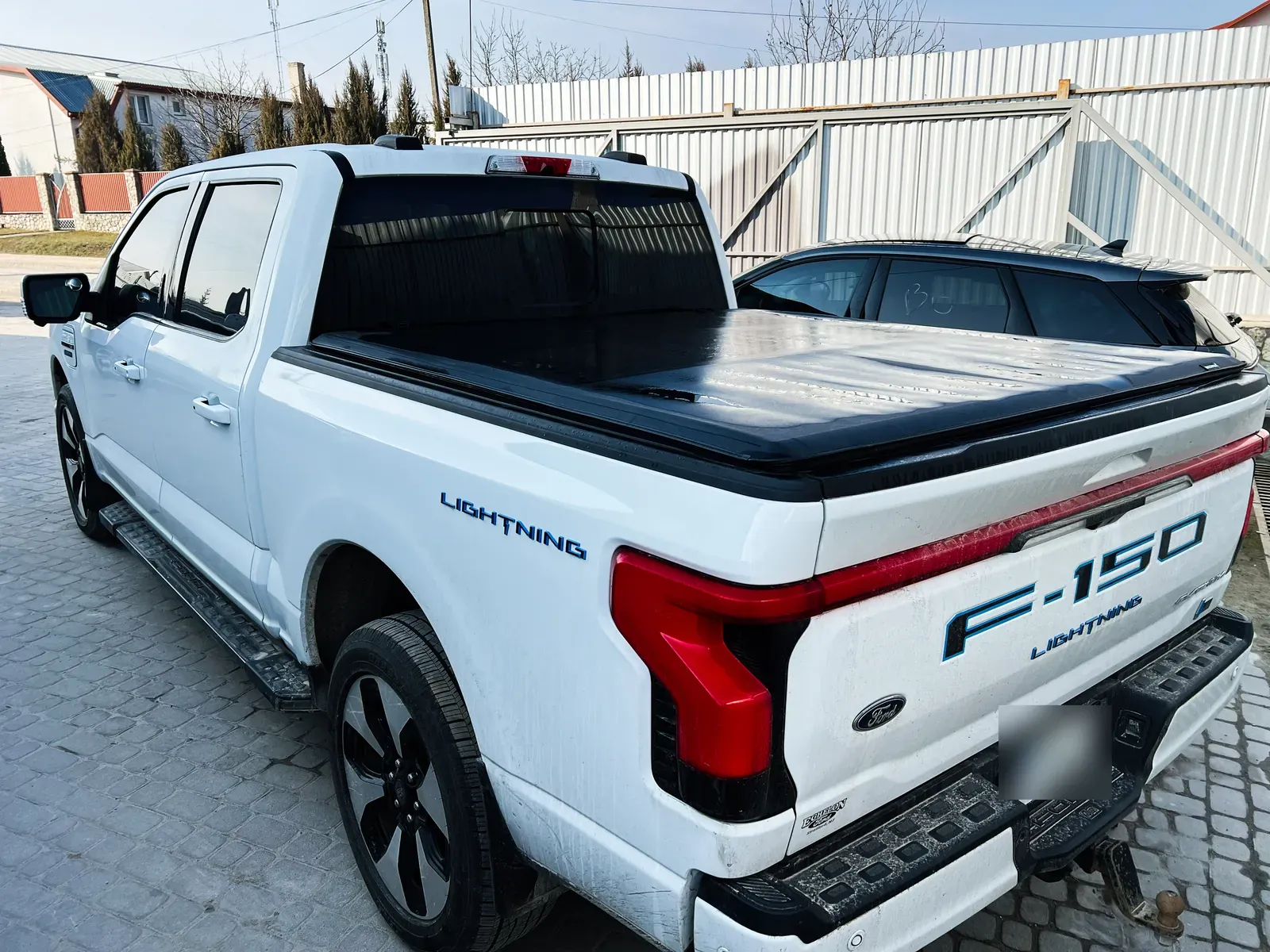
Tailgate dents: fix the skin or swap the gate
The tailgate is the most cooperative panel on a truck because it comes off with hand tools. That opens three routes. Shallow dents in the outer face can be worked out and refinished — some, with good access, without repainting the gate at all. Deeper damage can sometimes be answered with a new outer skin over your original gate frame. And once the gate is creased through or its inner structure is bent, a replacement gate — new or clean used — is usually the straightest line to done.
What complicates the modern version is everything living inside that panel. Backup cameras sit near the handle, some trucks tuck parking sensors and release electronics into the gate, and multi-function gates add steps, dampers and split-opening hardware. All of it travels with the gate, all of it has to cross over to a replacement, and anything camera-related needs a function check before the truck leaves. A tailgate quote that ignores the electronics is a quote scheduled to grow.
One GTA-specific wrinkle: tailgates get stolen here, precisely because they unbolt in minutes and resell easily — pickups parked overnight at job sites and in driveways from Rexdale to Scarborough have lost them. If yours disappears, that’s a comprehensive-coverage conversation with your insurance company, and the shop side runs like any damaged gate: source a replacement, transfer the hardware, refinish to match, verify the camera before handover.
Bedside damage is a bigger decision
A bedside is nothing like the gate — it’s a large welded stamping, closer kin to a quarter panel than a door. Small and medium dents are honest metal-repair territory. Long creases, tears, or damage wrapping the wheel opening push toward bedside replacement, which means cutting the old panel out and welding or bonding the new one along factory-approved seams. On a hard hit, swapping the entire box for a straight used one sometimes beats panel surgery on both price and finish quality.
Which route wins depends on the truck’s material and your standard. Steel bedsides tolerate more hammer time; aluminum ones work-harden and tilt toward replacement sooner — the full story is in our aluminum truck guide. Either way, we would rather hand you two written options than pretend the decision was ever ours to make.
Insurance enters when the damage came from a covered event — another driver, a slide on black ice, a falling limb in a summer storm. Bed damage estimates like any panel work, and teardown-first estimating earns its keep here because box hits often run into the floor or crossmembers where a parking-lot glance never looks. Paying out of pocket instead? The written estimate separates what protects the truck from what merely prettifies it, so the call gets made on real information.
Liners, covers and accessories change the plan
A spray-in bedliner is bonded to the metal, so repairing the panel behind it means cutting the liner back cleanly and re-spraying that section once the metal and paint work is finished — a coordination step that belongs on the estimate from day one, not discovered mid-job. Drop-in plastic liners lift out easily but are notorious for what they hide: grit and moisture trapped against the paint, and every scratch underneath becomes a rust starter once Toronto’s salt season arrives.
Tonneau covers, racks and toolboxes all mount to the rails and bedsides, and they have to come off and go back on straight. If a rack took part of the hit, its mounting points deserve inspection too. Mention the accessories when you send photos for your estimate — it spares everyone a supplement conversation three days in.
Salt deserves its own paragraph here, because a bed absorbs the worst of a GTA winter: slush shovelled out, salty melt pooling along the seams, every load of tools or firewood leaving scratches that become entry points. When we repair a bed panel, the protection going back on matters as much as the colour — seam sealer where panels meet, coating inside the wheel openings, and a primer chosen for bare-metal durability rather than booth speed.
Work truck or show truck: name your standard
Not every truck needs a flawless bed, and we’ll say so out loud. If the truck hauls drywall and ladders around the GTA five days a week, the priorities are practical: keep water out, stop rust from starting at bare metal, keep the gate latching and the camera honest. Cosmetic perfection on a panel that will collect new scars by Friday is your call, not a requirement — and a phased plan that protects the metal now and refinishes later, if ever, is a perfectly legitimate way to spend less.
A show truck — or a late-model truck whose claim should put it back to factory form — flips the logic entirely. There the finish is the point: blending into adjacent panels, texture match along any liner edge, gap fit at the gate — the full treatment. Tell us which truck yours is. The estimate should serve the way you actually use it, and photos are enough to get a written number back the same day.
Aluminum boxes play by their own rules
If your truck carries an aluminum box — the F-150 being the obvious case — every option above filters through different metallurgy. Aluminum dents stiffen as they’re massaged, magnetic tools are useless, and the work needs tooling kept separate from steel so embedded dust doesn’t set up corrosion under the fresh paint. Bedside replacement on an aluminum box follows a rivet-and-adhesive procedure rather than the weld-in approach steel takes.
None of that makes an aluminum bed unrepairable — it makes the shop’s process the thing worth interrogating. We repair steel and aluminum beds to the correct procedure for each, and the complete explanation lives in our aluminum truck body guide, linked below.