Hamilton bumper damage follows the light timing
The lower city’s one-ways train drivers to surf the green wave, and the wave is exactly where bumpers meet: someone ahead brakes for a pedestrian at John or Wellington, the platoon concertinas, and two or three cars trade paint at 15 km/h. The QEW contributes the highway version — the crawl approaching the Skyway and the Red Hill merge produces rear-end taps daily in the summer construction season — and Centennial Parkway’s big-box driveways add the classic backing-out-of-the-row collisions.
The rest is Hamilton’s parking reality doing its quiet work. Mutual laneways beside century homes are barely a mirror wider than the car, so rear corners meet gateposts and porch steps at walking speed. The ramps and pillars in the downtown garages catch front lips. And windrow season means bumper covers get pushed against frozen snowbanks hard enough to crack the paint or pop a corner tab loose without leaving an obvious dent at all.
A bumper is a system, and the cover is just its skin
The plastic you can see is the least important layer. Behind it sit an energy absorber, a reinforcement bar, mounting brackets, and — on most vehicles built in the last decade — parking sensors, radar modules, and the wiring that feeds them. A cover that merely looks scuffed can hide a crushed absorber and cracked bracket tabs, which is why nothing here gets a final price until the cover is off and the layer beneath it has been photographed for the file.
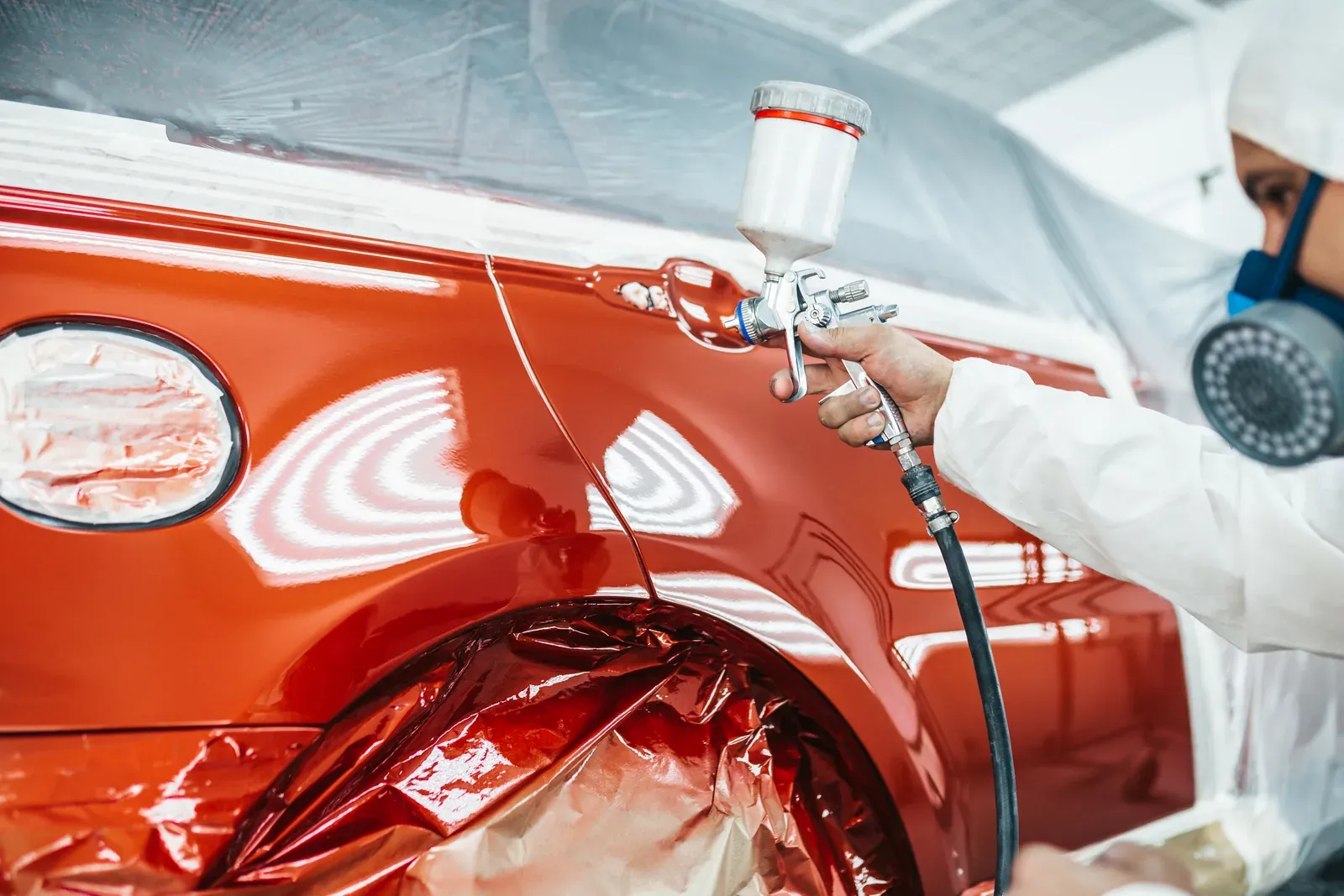
From there the repair-or-replace call is made on the plastic itself. Scuffs and shallow gouges in sound plastic get repaired, textured where needed, and refinished with the colour blended so the corner doesn’t read as new paint against old. Torn plastic, broken mounting tabs, or a deformed absorber tip the math toward replacement — and any bumper that carries sensors gets them verified and recalibrated after the work, because a parking sensor aimed two degrees wrong is worse than no sensor at all.
- Cover-off inspection before the estimate is finalized
- Repair chosen over replacement when the plastic genuinely allows it
- Sensors and driver-assist hardware checked and recalibrated
- Colour blended into adjacent panels under the lifetime paint warranty
Deductible math, DCPD, and the drive up
Who pays depends on how it happened. Rear-ended on the QEW or in the one-way platoon, you are normally held 0% at fault under Ontario’s Fault Determination Rules, and the repair runs through DCPD with your own insurance company — a file we open and manage for you. Backed into a laneway gatepost yourself, the honest question is whether the repair cost clears your deductible by enough to justify a claim, and plenty of Hamilton bumper jobs are cheaper paid directly.
Either way, the number comes to you before the car comes to us. Text photos of the bumper straight-on, from the corner, and from below to (647) 594-3401 and a written estimate follows — then one booked trip up the 403/407 or around the QEW covers drop-off, rental pickup if a claim provides one, and the paperwork. Most bumper-only cars remain safely drivable; if a cover is dragging or a sensor fault has disabled systems, tell us and we’ll arrange the tow instead.