Plastic outside, electronics inside
Somewhere in the last decade the bumper stopped being a bumper. Behind the painted cover of anything recent sits an energy absorber, a steel or aluminum beam, park sensors, often a radar module aimed through the plastic, and the harness feeding all of it. That architecture is why we refuse to price a bumper from the outside: a 10 km/h nudge can collapse the absorber and crack every mounting tab while the cover pops back into shape looking nearly untouched. The cover comes off, what is behind it gets photographed, and only then does the estimate become a number we will defend.
Pricing it this way matters double at distance. A Guelph customer cannot drop by to approve a surprise, so the file has to be complete before work starts — one teardown, one settled scope with your insurance company, no mid-repair calls asking for more money and more days.
How Guelph bends bumpers
The city has a rich menu. The Hanlon’s hard reds produce the classic tap — expressway speed arriving at a stopped queue with half a metre to spare, or not. Downtown, the angled parking on Wyndham asks every driver to reverse blind into moving traffic, a bumper-corner tax collected daily, and the parkade columns take their share too. Gordon Street’s stop-and-go past campus adds low-speed contact all term, and winter closes the loop — reversing into a snowbank that turned out to contain a curb, or catching a front lip on the windrow while escaping a driveway in the Ward.
The pattern across all of it is damage that looks trivial from the curb. A scuff, a hairline crack, a corner sitting a few millimetres proud. That last one is the giveaway — a cover that no longer sits flush is usually reporting a failure behind it, in the clips, the absorber, or the bracket the sensors depend on.
Fix, replace, recalibrate — and the honest triage first
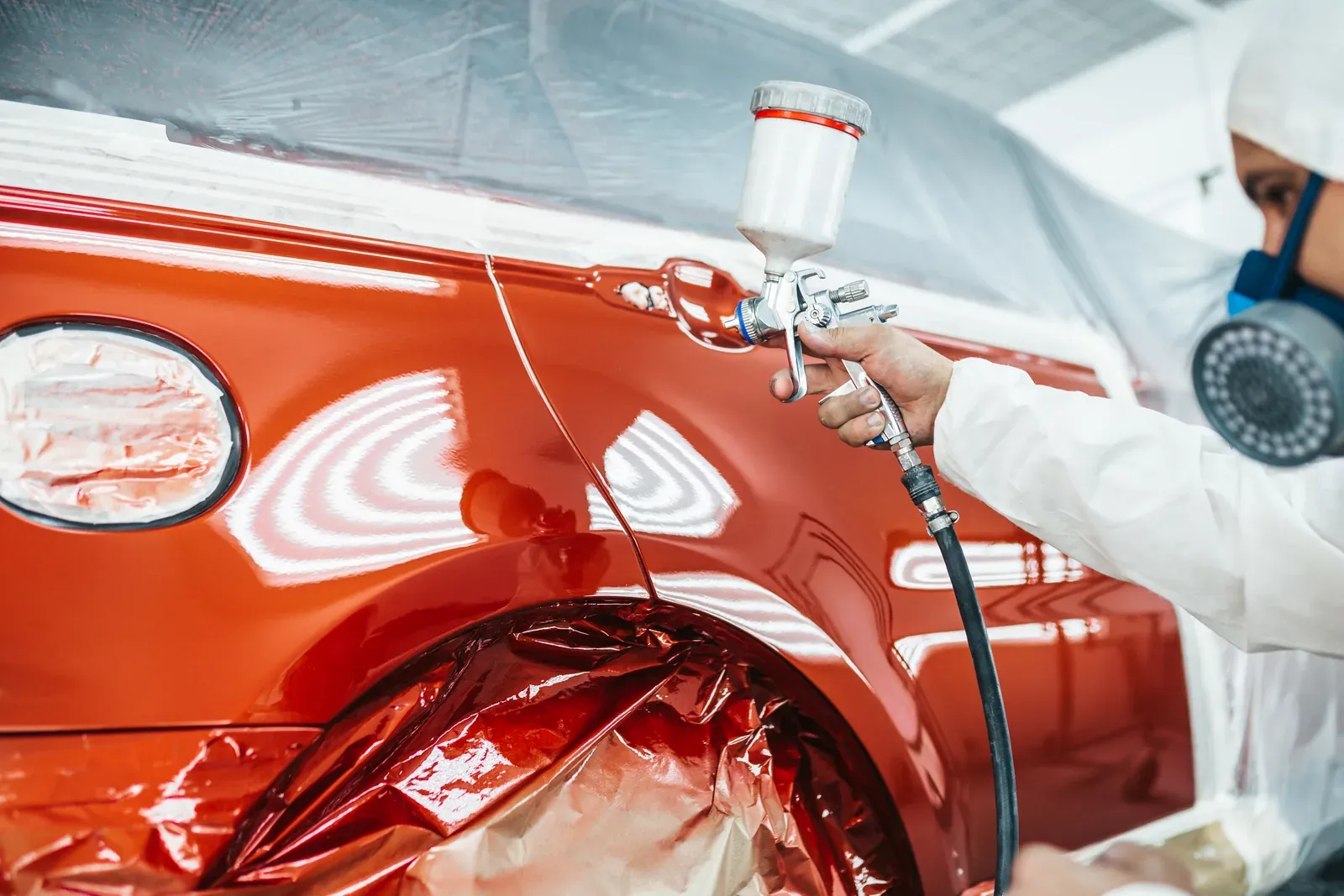
Sound plastic gets repaired: scuffs and short cracks are refinished on the cover and warranted for life. Torn mounting tabs, crushed absorbers, or anything supporting radar and sensors leans to replacement, with OEM parts requested where the electronics attach, because bracket geometry is what keeps a radar aimed where the manufacturer aimed it. After reassembly every function is verified, and where the service procedure calls for recalibration we arrange it and carry it on the claim — it is part of the repair, not an upsell.
The triage is where honesty pays. A light scuff that will never meet a deductible should be fixed in Guelph; we will say so from your photos, and it costs you nothing but a text to (647) 594-3401. Once a claim exists the distance mostly evaporates — the work is paperwork and phone calls the owner runs from the shop, the drive pairs with a commute or a flatbed, and the rental through your coverage meets you at drop-off. If a two-car tap might clear Ontario’s $5,000 reporting threshold — modern bumpers manage it faster than people expect — report at a Collision Reporting Centre and keep the record clean.
- Cover off and photographed before the price is final
- Repair sound plastic; replace failed structure and torn mounts
- OEM parts requested where sensors and radar mount
- Recalibration arranged per the service procedure, billed to the claim