How Bowmanville bumpers get hurt
The bumper files from Bowmanville sort into a few repeat offenders. The 401 ramps at Liberty Street and Waverley Road produce the classic two-car tap — traffic ahead brakes for the merge, the driver behind is already checking the gap, and two bumpers meet at parking-lot speed. Highway 2’s plaza entrances add the pull-out strike, where a car nosing into traffic catches the corner of one leaving it. Then there is the January special: plastic bumper covers go brittle below about minus fifteen, and an impact that would flex harmlessly in July — a frozen windrow, a parking block, a light tap — instead leaves a crack running away from the impact point.
Rural life contributes the rest. Bowmanville tows things — boats down to the lake, sleds north in winter, trailers everywhere in between — and hitches are precisely bumper height. A misjudged reverse toward a trailer coupler concentrates the whole impact into a few square centimetres of cover, which is how a “little push” cracks the cover, crushes the absorber behind it, and shifts a bracket, all invisibly.
The cover is the easy part — the decision lives behind it
A modern bumper is a system: a painted cover over an energy absorber, mounted to a reinforcement bar, increasingly wrapped around parking sensors and radar. The visible scuff tells you nothing about the state of the rest, so the cover comes off before any estimate is called final. Cracked mounting tabs, a collapsed absorber, or a bent reinforcement each change the answer to the repair-or-replace question — and a bumper reattached over crushed hardware will not protect the car, or you, in the next impact.
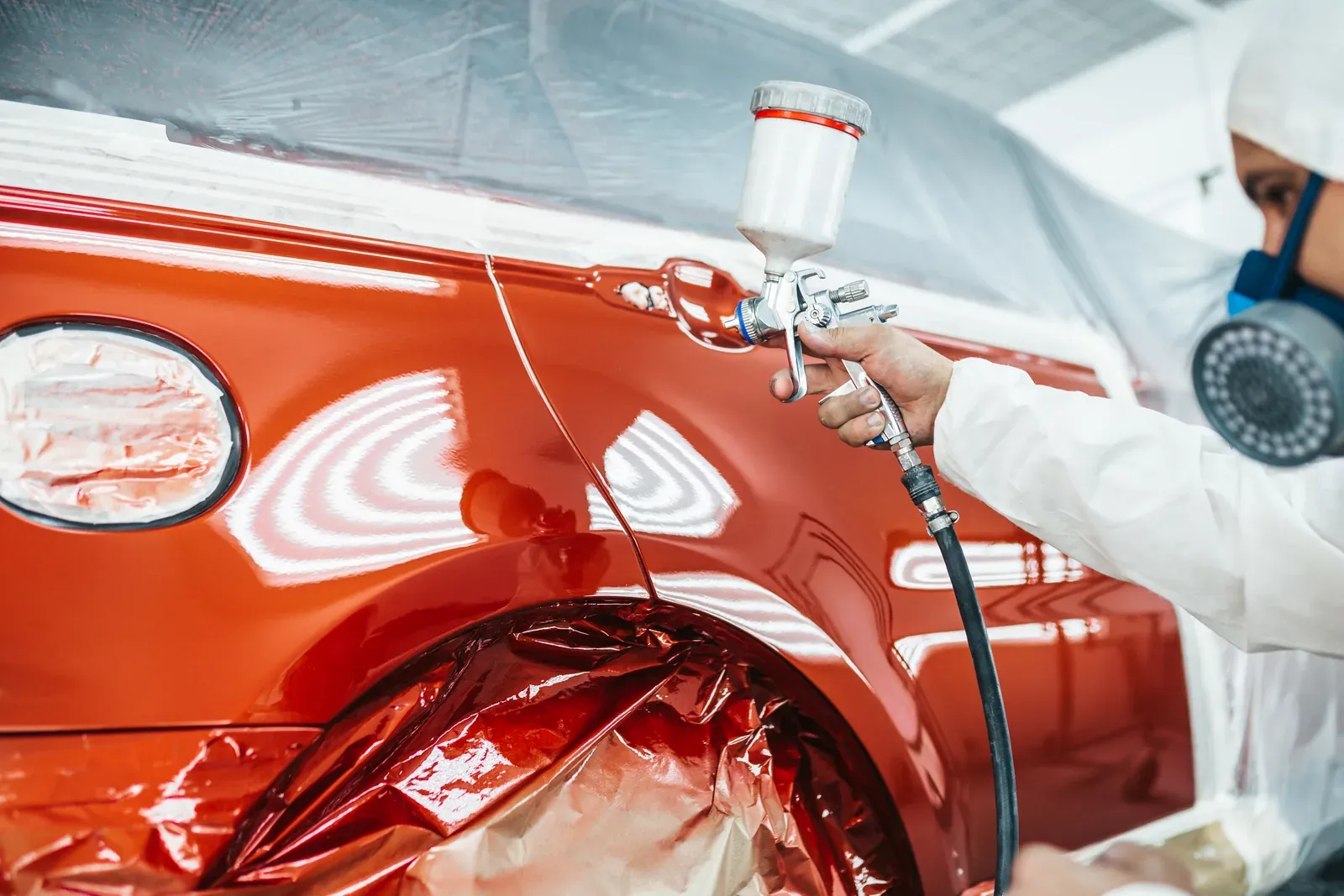
Where the cover itself is the damage, the honest split is simple: scuffs and shallow scrapes refinish beautifully; cracks through the plastic, stretched corners, and torn tabs usually mean a new cover, OEM preferred, painted to your code and blended to the adjacent panels. Any bumper that carries sensors gets them checked and, where the manufacturer requires it, recalibrated after reassembly — a parking sensor aimed two degrees wrong is worse than none. The refinish work, as always here, carries the lifetime paint warranty.
- Cover off before the final number — absorbers and brackets checked
- Scuffs refinished; cracked or torn covers replaced, OEM preferred
- Parking sensors and radar checked and recalibrated as required
- New paint blended to neighbouring panels under the lifetime warranty
Who pays, and how the file runs from Clarington
If you were rear-ended on the 401 or anywhere else and were not at fault, Ontario’s DCPD system means your own insurance company pays for your vehicle damage — you do not chase the other driver’s company, and fault percentages come from the Fault Determination Rules. The exception worth knowing since January 1, 2024: drivers who removed DCPD with the OPCF 49 endorsement gave up that coverage entirely. If you caused the damage yourself — the trailer hitch, the frozen windrow — it is a collision-coverage question, and for lighter cover damage the repair sometimes prices under the deductible, which we will tell you plainly before you file.
From Bowmanville, the sequence is built to cost one trip. Photos and, if there is one, the claim number go to (647) 594-3401; the written estimate and the claim setup happen before you drive; the cover, parts, and paint are ready when the car arrives. A drivable car can come in on a workday commute, and hours run Monday to Saturday, 8 AM to 7 PM, with Sundays by appointment. If the crash left the car unsafe — dragging cover, exposed lamp, deployed sensor faults — we arrange the flatbed instead, and the tow rides on the claim.