Ten loud minutes, one long claim
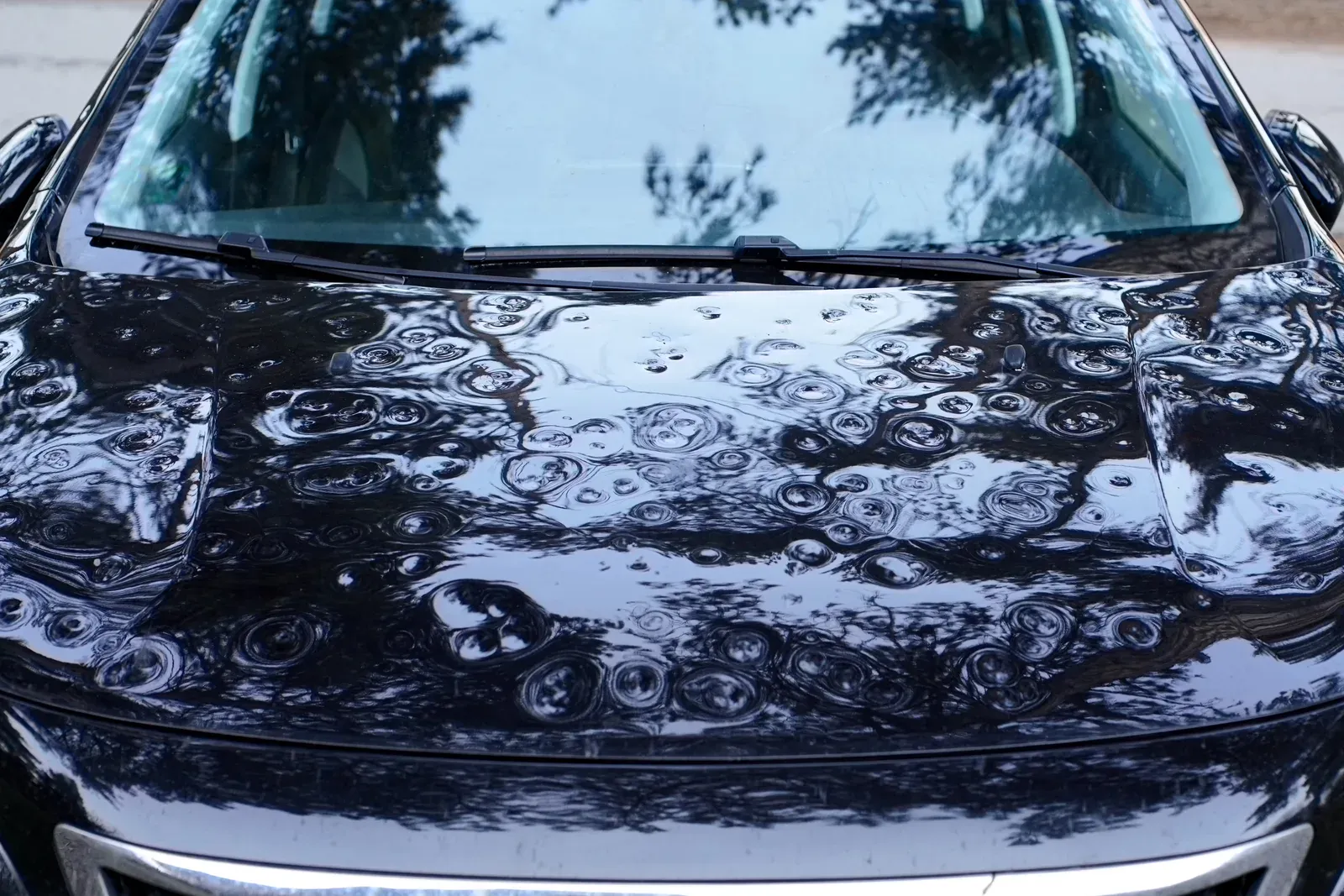
Hail in the Dundas valley is rare enough that people photograph it and brief enough that it feels harmless — a summer cell builds over Flamborough on a humid July afternoon, drags across the escarpment, and drops five minutes of ice on whatever is parked below. The trouble is what Dundas parks outside: the century streets around the Driving Park have more driveways than garages, and plenty of garages long since converted to storage. A single cell over the valley can dimple every horizontal panel on a street’s worth of cars — hoods, roofs, deck lids, and the tops of fenders.
The damage is easy to underestimate the same evening. Shallow hail dents hide in flat light and appear at dawn and dusk, when the sun rakes across the panel — which is why drivers discover strikes for a week after the storm, one angle of light at a time. Before you accept a quick figure from anyone, get the car mapped properly; a count done under the wrong light is the claim you reopen later.
Counted first, repaired second
A hail file lives or dies on the mapping. Under raking light in the shop, every strike is counted and marked panel by panel, because the repair method — and the money — is decided per panel, not per car. Shallow dents in unbroken paint can often be worked back from behind the panel, keeping your factory finish. Strikes that stretched the metal or cracked the paint need conventional repair and refinishing, matched to your colour code and blended. A roof skin peppered hard enough can be better to replace than to rescue — and lighter on the claim — and we say which side of that line yours is on before work starts.
The finish work carries the same standard as any refinish leaving this shop: colour tinted against your car’s aged panels, sprayed in the booth, blended into neighbouring metal, and covered by a lifetime warranty on the paint. The end state is a car with no dimple shadowing in low sun — the exact light that revealed the damage is the light the repair is judged in.
After a storm, distance becomes an advantage
Hail is a comprehensive claim — no fault is assigned, and it does not turn you into an at-fault driver. You pay your comprehensive deductible; your insurance company pays the rest of a documented repair. The catch after a real storm is capacity: when a cell strafes Dundas and Ancaster together, every shop within 15 kilometres fills within days, and cars wait weeks for a first look. Our shop is 75 kilometres east of the storm track, which means the same claim gets torn into promptly instead of joining a queue — one of the few times distance works in a Dundas driver’s favour.
The process stays remote until it cannot be. Photograph the panels in early-morning or late-day light — the strikes will show — and send them to (647) 594-3401 with your claim number. The owner opens the comprehensive claim, gets the mapping and estimate in front of the adjuster, and books your drop-off with the rental through your coverage timed to it. One trip up the 403, one trip back for a car with clean panels. Monday to Saturday, 8 AM to 7 PM; Sundays by appointment after the kind of weekend storm that creates this work in the first place.