Cloudy and cracked are two different problems
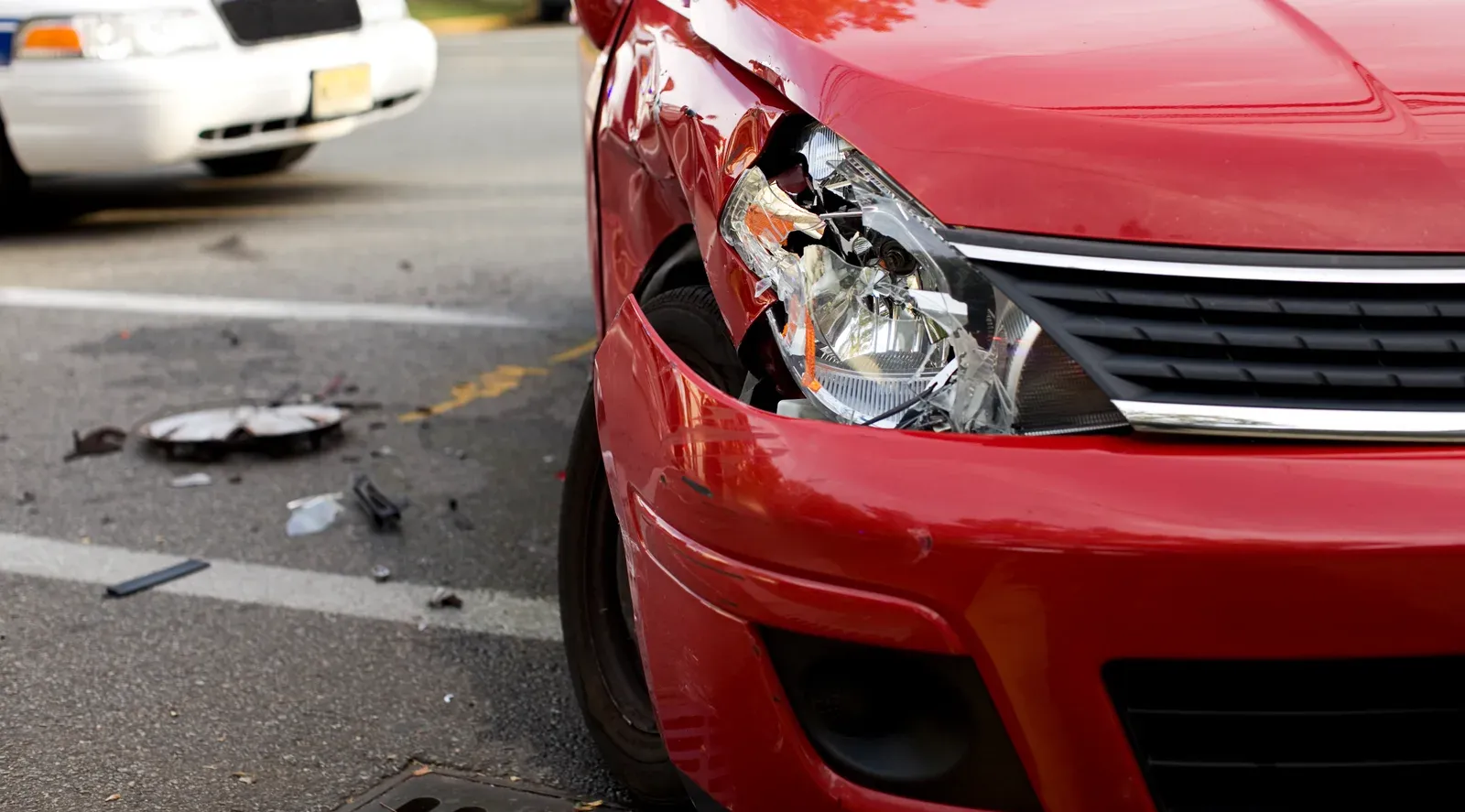
Yellowed, hazy lenses are sun damage: years of UV break down the polycarbonate's factory coating, and because the cloudiness lives on the outer surface, abrasion can remove it. A crack, a snapped mounting tab, or fog on the inside of the lens is physical damage — the sealed housing has been opened, and no polish addresses that. After any front-end hit, look for both, since a collision can crack a lens that was already halfway to frosted.
That distinction decides the repair. Surface haze restores. A breached housing gets replaced, because everything of value inside a modern headlight assumes a permanently dry, sealed environment. Fog lamps and signal housings run on the same logic, just with smaller parts and lower stakes.
Restoration: where polishing genuinely earns its keep
Restoration — wet-sanding away the degraded factory coating, polishing the polycarbonate clear, then sealing it with fresh UV protection — genuinely works on an intact, hazy lens. The sealing step is where the kits cut their corner: the coating that just got sanded off was the lens's only defence, so a restored lens with nothing new over it clouds again within a season or two. Done completely, restoration buys real clarity for a fraction of a lamp.
Where restoration fits a collision file is narrow but real: never as the repair for the damaged side — polishing a cracked housing is grooming a part that already has to come off the car — but for the surviving lamp beside the new one, which gets its own section below.
When replacement is the only honest call
Cracks admit moisture, and moisture kills a headlight in slow motion: condensation dulls the reflector, corrodes connectors, and shortens the life of bulbs and LED driver modules. Broken mounting tabs matter every bit as much — a lamp that cannot be located precisely can never hold its aim, and glued tabs rarely survive a GTA pothole season and the cold snaps between. If the housing is open or will not mount solidly, replacement is the repair.
Why replacement quotes range so widely comes down to what lives inside the unit. A halogen reflector lamp is a modest part; a full-LED, self-levelling, or adaptive cornering unit is a small computer wearing optics, and one model can carry either depending on trim. That is a parts reality rather than shop mischief — and the reason we confirm the exact unit by VIN before any number goes on paper.
Used headlights earn a caution flag here. A salvage-yard lamp can be a rational budget play on an older halogen car, but its tabs, seals, and lens coating carry a history nobody can vouch for, and complex LED units fail in ways a shelf inspection will not reveal. If budget pushes the used route, the lamp gets inspected before it gets installed — and we turn away units that do not pass.
Aiming, adaptive lamps, and recalibration
Every replaced headlight needs aiming, and aim is only meaningful once the unit sits in a straight, fully assembled front end — which is why lamp aiming closes out a front-end repair instead of opening it. A lamp aimed high blinds oncoming traffic on every two-lane road; aimed low, it discards the distance vision that country-road speeds demand. It gets measured, never assumed.
On vehicles where the headlights cooperate with driver-assist features — automatic high beams, adaptive beam shaping, camera-based levelling — the repair can also trigger recalibration for the cameras involved. Our full answer on recalibration covers the details; the principle is that any system whose sensors or reference points moved in the collision gets verified before the car goes home.
What about the surviving headlight?
Replacing one lamp raises a question nobody asks until the first night drive: the new unit is crystal clear and its partner wears years of haze. The car now lights the road unevenly and looks mismatched from the front. Restoring the older lens while the vehicle is already in the shop is the inexpensive, sensible cure, and it is worth requesting by name.
Halogen bulb colour runs into the same effect — a fresh bulb beside a tired one reads as a mismatch even though both technically work, which is why bulbs are replaced in pairs. On LED units the module fixes the colour, so that variable vanishes; one of the quieter advantages of the newer lamps.
None of this is upsell theatre. Headlights are engineered as a pair, and the point of collision repair is a car that reads whole again — from the paint down to the beam pattern. We will also say when the second lens genuinely needs nothing, which is often.
The safety framing worth taking seriously
Headlights are the one collision part you depend on every night drive, and degraded output sneaks up because it fades by degrees. After any front-end repair, the finished car should throw clean, even light with a crisp cutoff line — anything less means aim or assembly is off, and a good shop wants that phone call. Take one night drive on a familiar road soon after pickup and honestly gauge how far you can see; with deer on the shoulders through King, Caledon, and Uxbridge every fall, that is the test that counts.
If your headlight took a hit, send photos of the lamp and the damage around it. You will get a written estimate naming the exact unit your VIN calls for, plus a straight opinion on whether the untouched lens is worth restoring while the car is here.