The offer you’ll hear when you file
Somewhere in your first conversation with Aviva, the suggestion will surface: let us book you into one of our preferred shops, and the process takes care of itself — inspection, repair, sometimes the rental handoff, all wired together. It is a smooth pitch, and for some situations a fair one. What the pitch tends to leave out is the part Ontario insists on: this is an option you may take, never a step you must.
This guide covers what the preferred-shop arrangement is, what you gain and give up by using it, and what the alternative looks like in practice at a North York shop. The mechanics of filing — the seven-day notice your policy expects, the Collision Reporting Centre visit when damage looks to top $5,000 or anyone is hurt — belong to the claim itself and do not change with your shop choice, so we will stay focused on the choice.
How a preferred-shop arrangement works
Preferred shops are Aviva’s direct-repair partners. They agree to the insurance company’s estimating and billing processes and its negotiated rates; in exchange they receive a steady stream of referrals, and repairs routed through the arrangement are typically backed by the insurance company’s own guarantee. From the driver’s seat it behaves like a drop-off service: leave the car, collect a rental if your coverage provides one, come back when the shop says it is done.
Look at what that structure is optimized for: administration. One intake, shared systems, no separate adjuster visit to schedule. Those are real efficiencies and there is no point denying them. They are also entirely about how the claim is processed. Nothing in the arrangement says anything about how your particular car should be repaired, which parts belong on it, or who you would want making the close calls after a hard hit on the DVP.
Convenience is real — so is the trade
Taking the referral means accepting its frame: the shop comes off the participating list, the estimate is written inside Aviva’s process, and the shop’s ongoing business depends on that relationship staying healthy. For a scraped bumper on a commuter that lives outdoors through a salty North York winter anyway, you may reasonably not care. The car gets fixed, the logistics are painless, and a large company stands behind the guarantee.
The calculation shifts as the damage grows. Structural repairs, blend decisions, and OEM-versus-aftermarket parts questions involve judgment, and judgment tends to follow accountability. An independent shop answers to the person who chose it — you — and to its own written warranty. We are not claiming network shops do worse work; plenty do fine work. The claim is narrower and easier to check: the two arrangements point a shop’s attention in different directions, and you are allowed to pick the direction that faces you.
Your other option: any Ontario shop you trust
Ontario’s rule is blunt and driver-friendly: recommendations are allowed, requirements are not. Decline the referral, name your shop, and the claim proceeds — same coverage, same policy, same obligation on a covered claim to pay the reasonable cost of proper repair. Under DCPD your own insurance company handles the vehicle damage when you were not at fault, and the shop it pays is still the shop you picked. Nothing about your benefits changes with the address on the repair order.
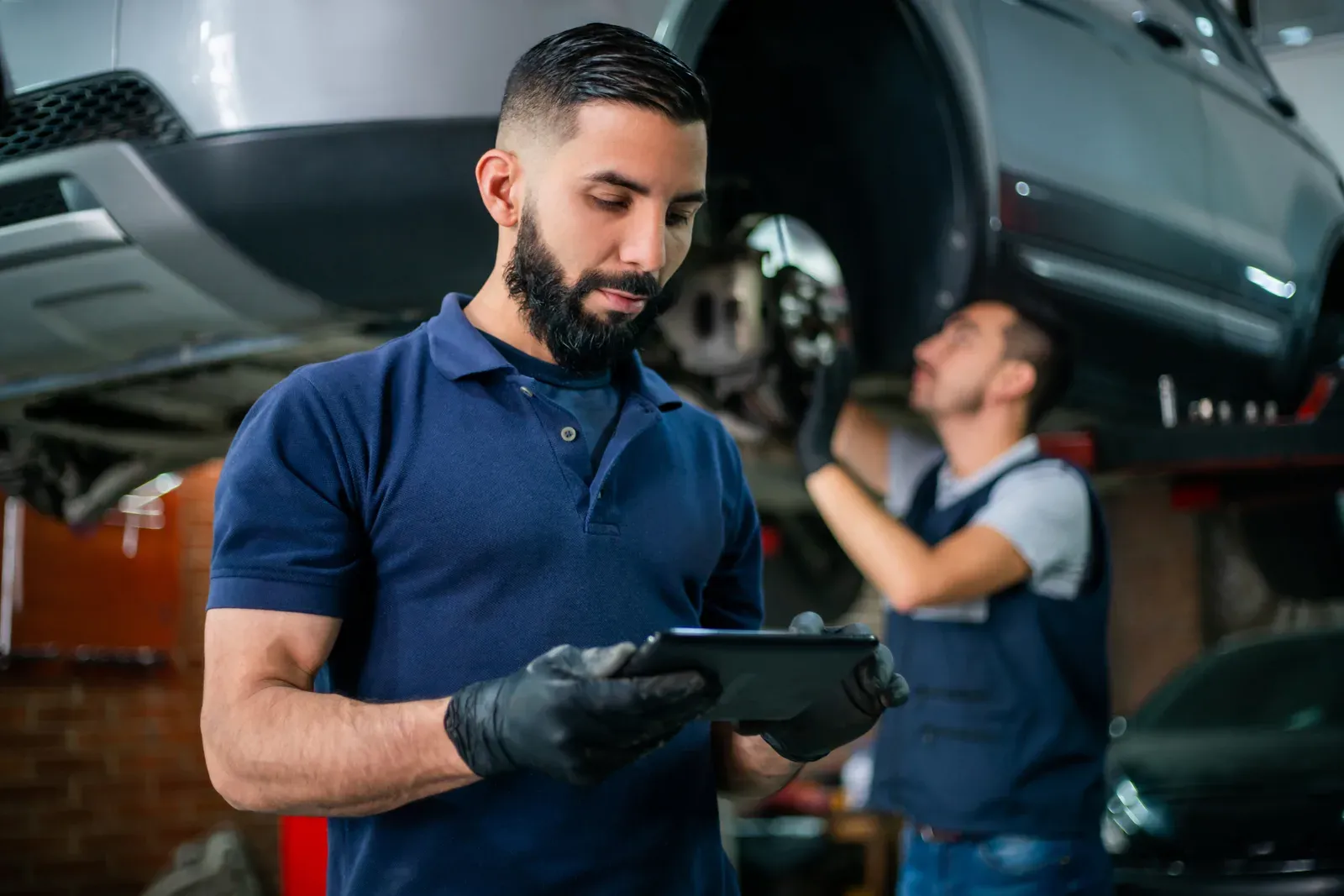
What changes is who runs the repair. Here, the car is photographed on arrival, torn down before the estimate is finalized, measured on the frame bench when the hit is structural, and refinished with the colour read off your own paint. We handle Aviva’s adjuster and any supplements directly, and you get one person — the owner — on your file the whole way through.
- Same policy benefits and the same deductible as inside the program
- Estimate written from teardown, not from across the parking lot
- Adjuster questions and supplement paperwork handled by the shop
- Written lifetime warranty on paint and refinish work
- One number to call — (647) 594-3401 — and one person on your file
Direction of pay, in plain language
People sometimes assume the network is where the money lives, and that an outside shop means fronting the whole cost and chasing a reimbursement cheque afterward. Not so. A direction-of-pay authorization — standard paperwork you sign at drop-off — tells the insurance company to pay the shop directly for the covered repair. It works at any shop in Ontario, preferred or not, and it is how most independent-shop claims get paid.
Your deductible stays exactly what your policy says it is, at a preferred shop or here; a shop that promises to make it disappear is telling you something worth hearing about how it writes estimates. The honest help we can offer is the real number, early: send photos, and a free written estimate comes back fast, so none of these decisions has to happen blind.
Where we stand with Aviva
Nowhere, formally — and that is the point of this section. Collision Auto Center is independently owned, sits on no preferred list, and is not affiliated with, endorsed by, or approved by Aviva or any other insurance company. Its name appears here only because its program is what this page explains. We work with every insurance company that writes Ontario auto policies, from the same shop in the Keele and Sheppard area.
If you already filed and simply want out of the referral funnel, that is allowed too. Tell the claims representative the car is going to Collision Auto Center, send us the claim number, and we take it from there — including helping arrange the tow if the car cannot drive.
Estimates are free whether or not a claim ever gets opened, and the shop fits around a working schedule: Monday to Saturday, 8 AM to 7 PM, Sundays by appointment. Bring the question before the car if you like; the conversation costs nothing either.