Where Manor collisions actually happen
Map the dents and a pattern shows up fast. Left turns across Bathurst at Sheppard collect T-bone corners all year, because the gaps in that traffic are shorter than they look. The Sheppard Plaza exits feed cars into the same flow, which is where the low-speed broadside and the backed-into-while-waiting damage comes from. And the southbound crawl onto the Allen produces the classic commuter rear-end — three cars deep at the worst times, one bumper into the next.
The neighbourhood’s interior streets contribute differently. Between the construction bins, the contractor trucks, and two lanes of parked cars on roads laid out in the 1950s, Wilmington and the crescents off it are effectively single-lane in places. The collisions there are slow and awkward — a fender caught pulling around a bin, a door opened into a passing car — and they look minor until the door will not close flush or the fender gaps go uneven.
The estimate gets written after the covers come off
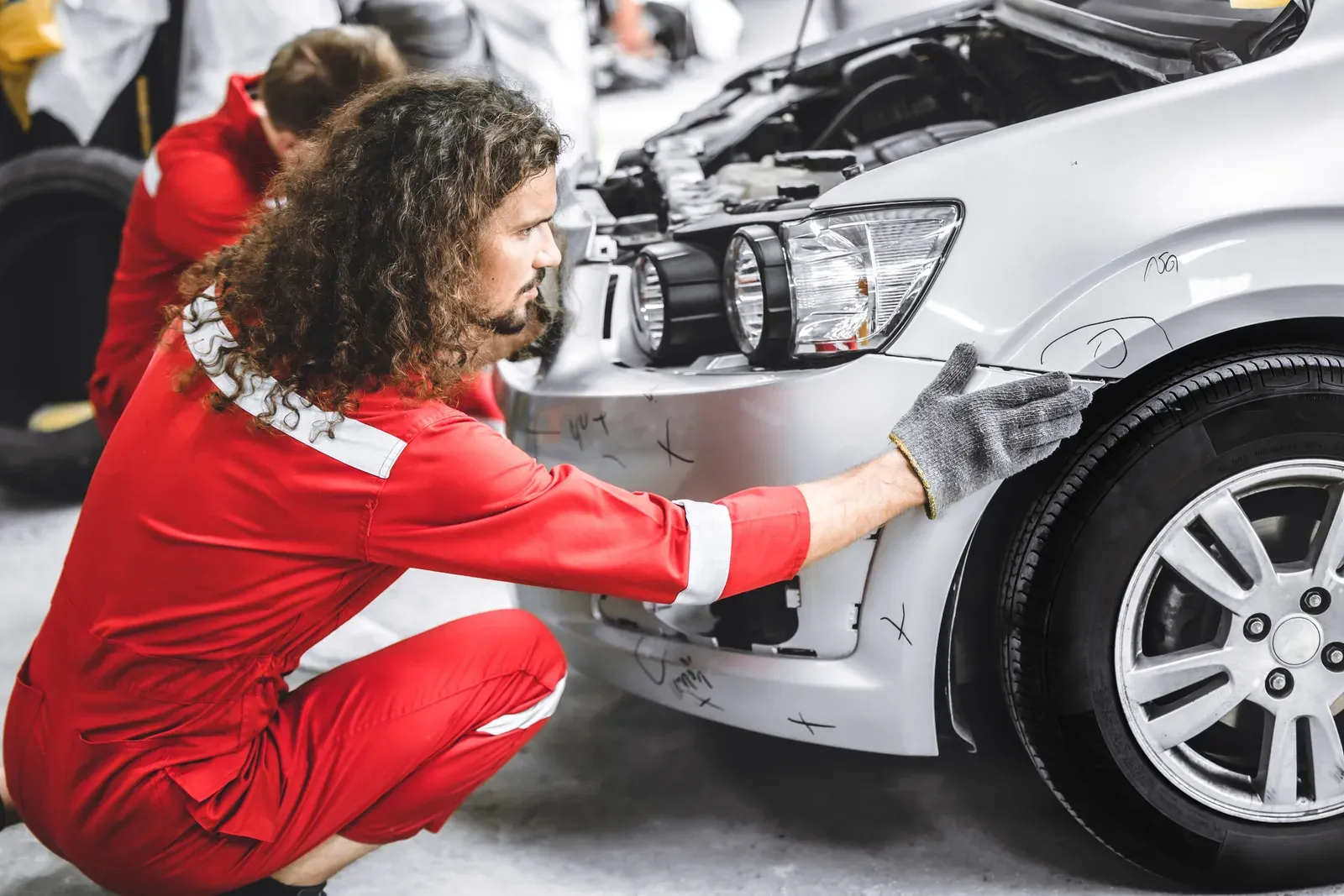
A photo gets you a fast written number, and that number is honest about what it is: a starting point. Before the estimate is final, the bumper cover, liners, and trim come off so the damage behind them is documented — crushed absorbers, cracked brackets, a rail that moved a few millimetres. Insurance estimates written from a parking-lot photo miss those routinely, and finding them on day one is what keeps the repair from stalling mid-job while a supplement gets argued about.
From there the repair runs on factory data. Structural pulls are measured before and after, replacement parts lean OEM — and where an insurance company writes for like-kind-and-quality, we push for OEM on anything safety-relevant and tell you plainly what the difference costs. Paint is matched to your code, sprayed out, checked against the actual panel, and blended into its neighbours so the repair disappears. The refinish carries a lifetime warranty; replacement parts carry a parts-and-installation warranty.
DCPD, fault, and who runs your claim
Ontario works differently than people expect. If you were not at fault — fully or partly, under the Fault Determination Rules — your own insurance company pays for the vehicle damage through DCPD. You do not chase the other driver’s company. Notify your insurance company promptly (the policy expects notice within seven days), and if anyone was hurt or the combined damage looks likely to pass $5,000, the collision gets reported through a Collision Reporting Centre as well.
What you are never required to do is use the shop the adjuster names. That choice is yours under Ontario law, full stop. Bring the car here and the owner opens the claim, meets the adjuster with the vehicle already apart so the inspection covers real damage instead of guesses, and files supplements directly. You get updates from the person doing the work instead of a claim number and a hold queue.