Stop-and-go country
Mississauga’s commutes are bumper country. The QEW’s morning crawl over the Credit River, the 403 compressing at Hurontario, the 401 collectors backing up from the 427 — every one of those queues produces the same low-speed tap, and the city’s bumpers collect them the way windshields collect chips. Add the close-quarters damage: scraped corners on the ramp pillars in Square One’s garages, covers caught backing out of tight condo stalls, and the January special — a bumper pushed into a frozen windrow at the end of a Meadowvale driveway until the clips let go.
Almost none of this looks serious from the outside, and that is exactly the trap. A modern bumper is a painted plastic skin over an energy absorber, a steel or aluminium beam, and — on most cars now — a row of sensors. The skin shrugging off a hit tells you nothing about what happened underneath it.
The cover comes off before the answer comes out
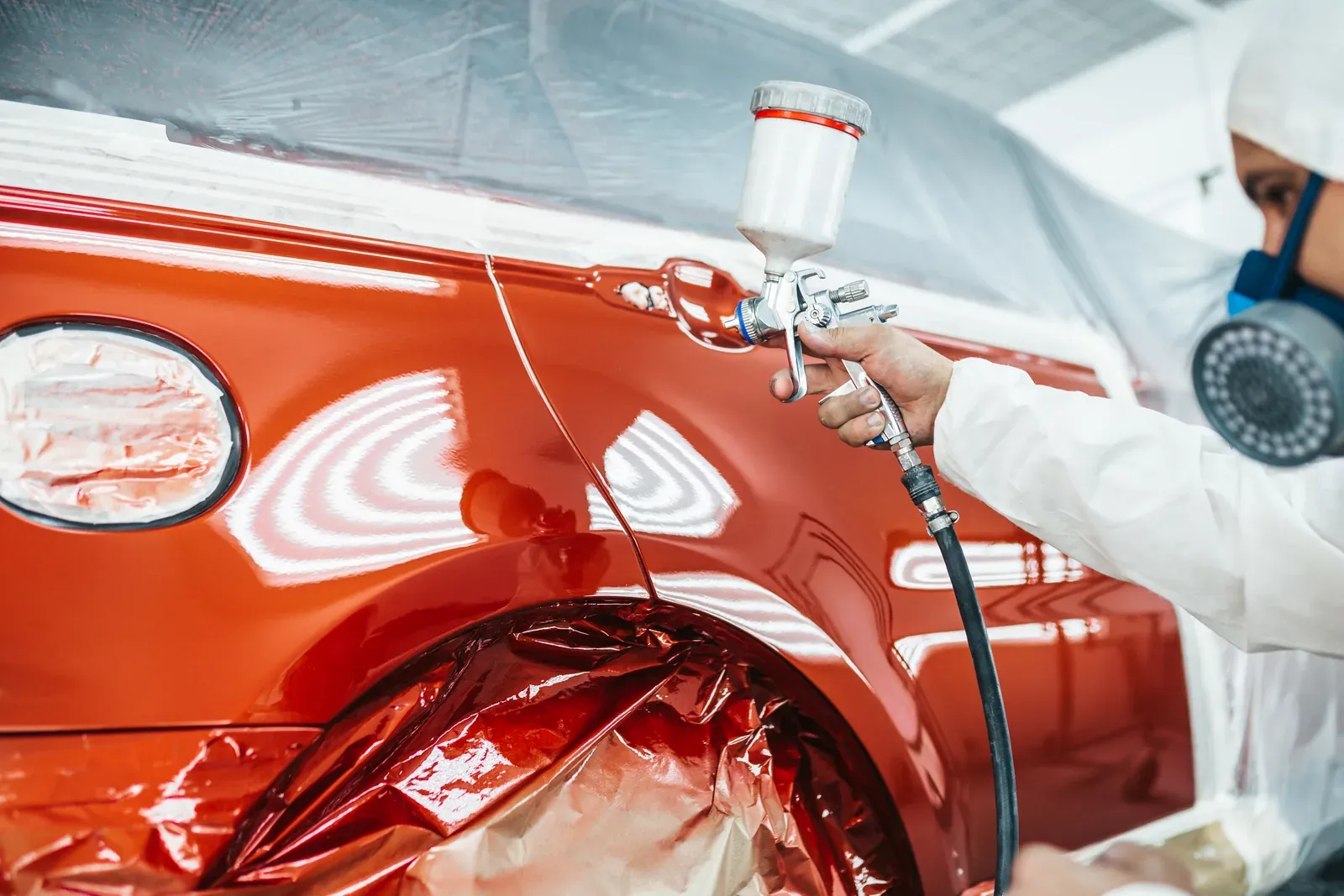
We do not quote bumpers from the scuff. The cover comes off, and what is behind it decides the job: an intact absorber and clean brackets mean the cover itself can often be repaired — plastic welded where cracked, tabs rebuilt, refinished in flexible paint and blended into the quarters — for meaningfully less than replacement. A crushed absorber, sheared mounts, or a cover torn at a sensor opening flips the answer, because rebuilding a mangled skin costs cover-price money and holds paint worse.
Sensors set the modern rules. Park-assist and blind-spot units live in or behind the cover, and radar behind an emblem or lower grille cares about bracket position down to millimetres. After a bumper repair, anything the manufacturer says needs checking or recalibration gets checked to that standard — a proximity sensor that lies to you in a tight Square One spiral is worse than no sensor at all. When replacement is the call, we push your insurance company for an OEM cover where fit and sensor geometry depend on it.
- Cover removed and the absorber, beam, and brackets inspected first
- Cracked covers plastic-welded and refinished when repair is the better money
- Sensor and radar positions verified to the manufacturer’s requirements
- OEM covers argued for where fit and sensor geometry matter
Paying for it, and getting it done from 22 km away
The money question has two honest answers. A repairable cover with nothing broken behind it often lands below or near a typical deductible — those we simply price for you, and most people pay cash and skip the claim. A rear hit in the QEW queue that crushed the absorber is different: that is collision damage, and if the other driver caused it, Ontario’s DCPD system means your own insurance company covers your repair, with fault set by the provincial Fault Determination Rules. We open and run that claim from our office.
Because you are coming from Mississauga, the process is built to need one trip. Photos to (647) 594-3401 first — including a shot square-on and one from each corner — and the written estimate follows with both the repair and replacement numbers when the choice is close. Parts are ordered and confirmed before your drop-off date so the car is not waiting on a cover, and hours run Monday to Saturday, 8 AM to 7 PM, with Sundays by appointment.