Paintless dent repair vs body filler — which does my car need?
Quick answer
If the paint is intact and the metal isn’t stretched, paintless dent repair is the better fix — a technician massages the dent out from behind the panel and your factory finish survives. When paint is cracked, the dent is creased, or a panel edge is involved, conventional repair with filler and refinishing is the honest call.
- Drivable or not
- At fault or not
- Free written estimates
When PDR wins
Small dents from a low-speed parking-lot hit, dents left on your door by an unidentified driver, and most hail damage sit squarely in paintless-dent-repair territory. The technician reaches behind the panel with rods and precise lighting and works the metal back to shape — no filler, no spray, factory finish untouched.
PDR is quicker (often same-day to two days), costs less than refinish work, and is the best outcome for the car’s value because the original paint never gets disturbed. That is why insurance companies approve it readily on hail and minor-collision claims — and why we quote it first whenever the damage qualifies.
When filler and refinishing are correct
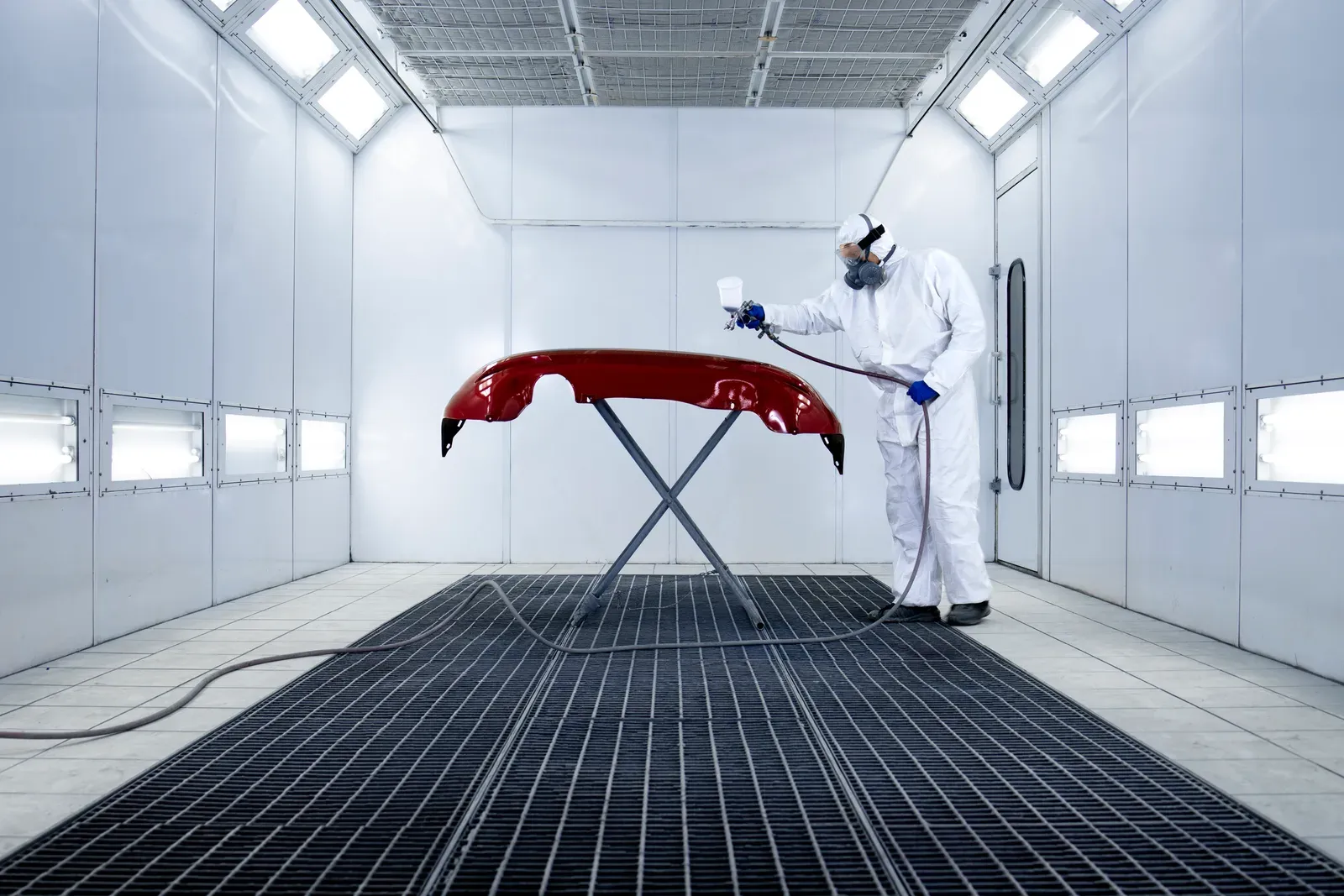
Cracked or chipped paint, sharp creases — the kind a frozen windrow leaves along a rocker panel — stretched metal, and dents that ride a panel edge cannot be massaged back invisibly. The right repair is metal work first, a thin skim of filler for final straightness, then primer, computerized colour match, and a blended refinish.
Filler carries an undeserved reputation, earned by shops that use it instead of metal work rather than after it. Applied correctly — thin, over straightened steel — it is how every proper collision repair in the industry is finished, and ours is backed by a lifetime warranty on the paint.
How we make the call honestly
We look at three things: paint condition, dent depth and shape, and access behind the panel. Then we price the right path — and when both are viable, you see both numbers side by side. Send photos of the dent and we’ll tell you which repair your panel actually needs, with a written figure attached.