The scene is still dangerous
Black ice does not stop being slick because you already found it. Secondary crashes at the same spot are common — bridge decks on the 400-series highways, shaded ramps, and the low curves of the DVP ice first — so move past the patch if the car drives, keep everyone away from the traffic side, and get behind a barrier while you wait.
Make sure the surface conditions end up in the record. The temperature, the time of day, and where the ice formed all matter later when two insurance companies apply the Fault Determination Rules to different accounts of the same slide. If police do not attend, both drivers report to a Collision Reporting Centre.
- Move clear of the icy stretch before getting out, if the car drives
- Hazards on, and stand well off the travelled lanes
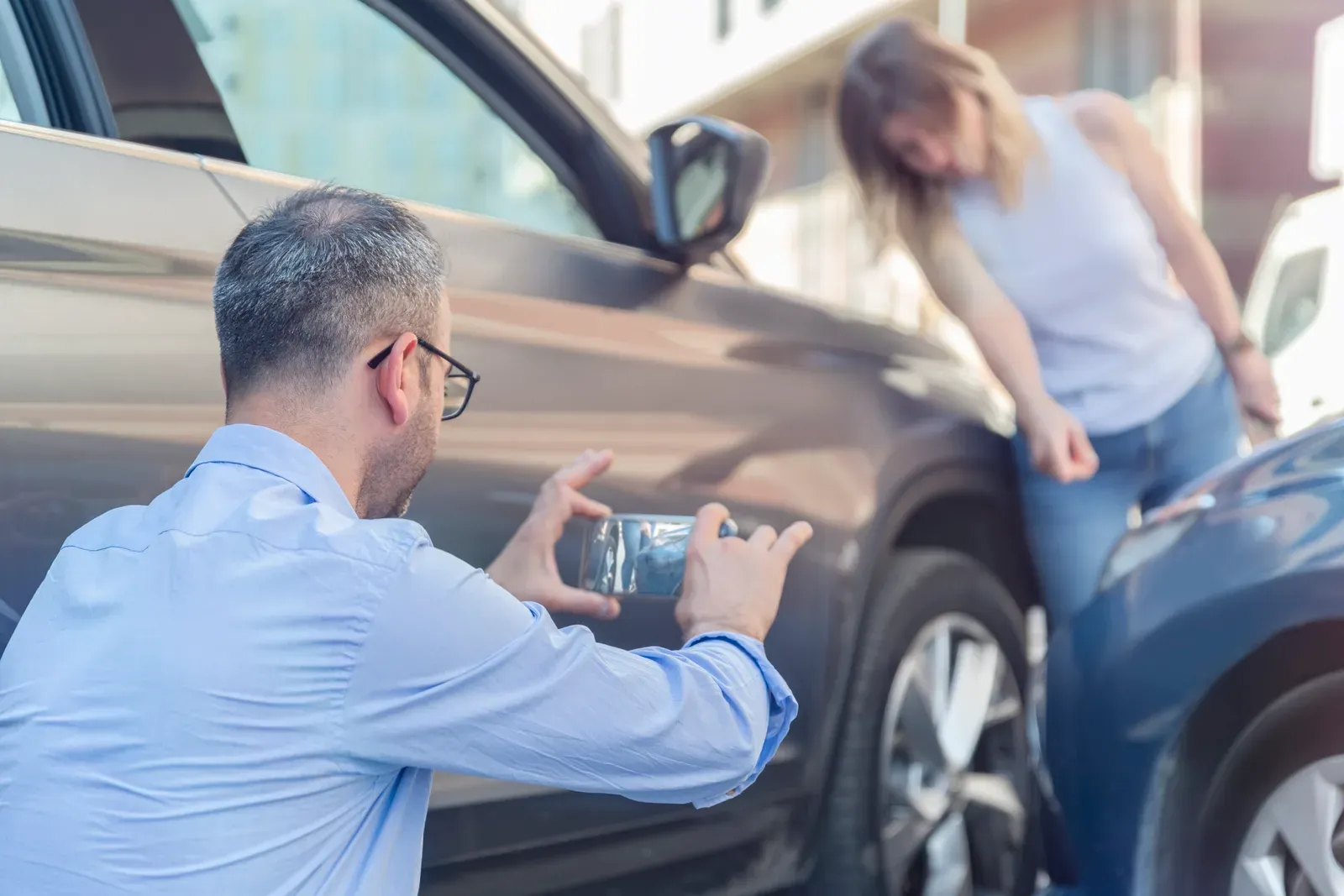
- Photograph the road surface, not only the vehicles
- Note the temperature and whether the ice was visible at all
- Get the report number before you leave the scene or the CRC
Weather does not settle fault
Drivers assume ice makes a crash nobody’s fault. Ontario does not see it that way: speed and following distance are supposed to suit the conditions, so a driver who slid can still carry fault, and the Fault Determination Rules can split responsibility between two vehicles that both lost grip.
Payment then follows the split through DCPD. If another driver slid into you, your own insurance company pays your not-at-fault damage — that is how Ontario works, and it is faster than chasing someone else’s claims department. Whatever share is yours goes through your collision coverage with its deductible, if you carry it.
- Not at fault: the claim runs through your own insurance company under DCPD
- At fault in whole or part: collision coverage, minus the deductible
- Fault split: each share handled by the matching coverage
- OPCF 49 removed DCPD from a policy: no coverage for the not-at-fault share
- Towing: check whether roadside coverage already sits on your policy
What winter collision repair involves
Ice crashes are glancing rather than square, so the damage travels across panels and pushes covers off their mounts instead of crushing them. That spreads the work out: two or three panels involved, a handful of brackets and fasteners to replace, and more blending than a single direct hit would ever need.
Cold complicates the refinish side. Panels must reach temperature and be genuinely dry before primer goes down, and a shop that rushes that in February meets adhesion failures in April. We control it in the booth, and the refinish carries a lifetime warranty for as long as you own the car.
Getting the repair moving in winter
One freezing night fills GTA body shops for a week, so photos sent early protect your place in line. A wide shot plus close-ups of each damaged area — even taken at a tow yard — gets you a free written estimate quickly.
We work with every insurance company and meet the adjuster here, which spares you the running around in the worst weather of the year. If the car cannot be driven, we help arrange the tow to the shop off Keele just south of Sheppard.