At the roadside: the tow is your call too
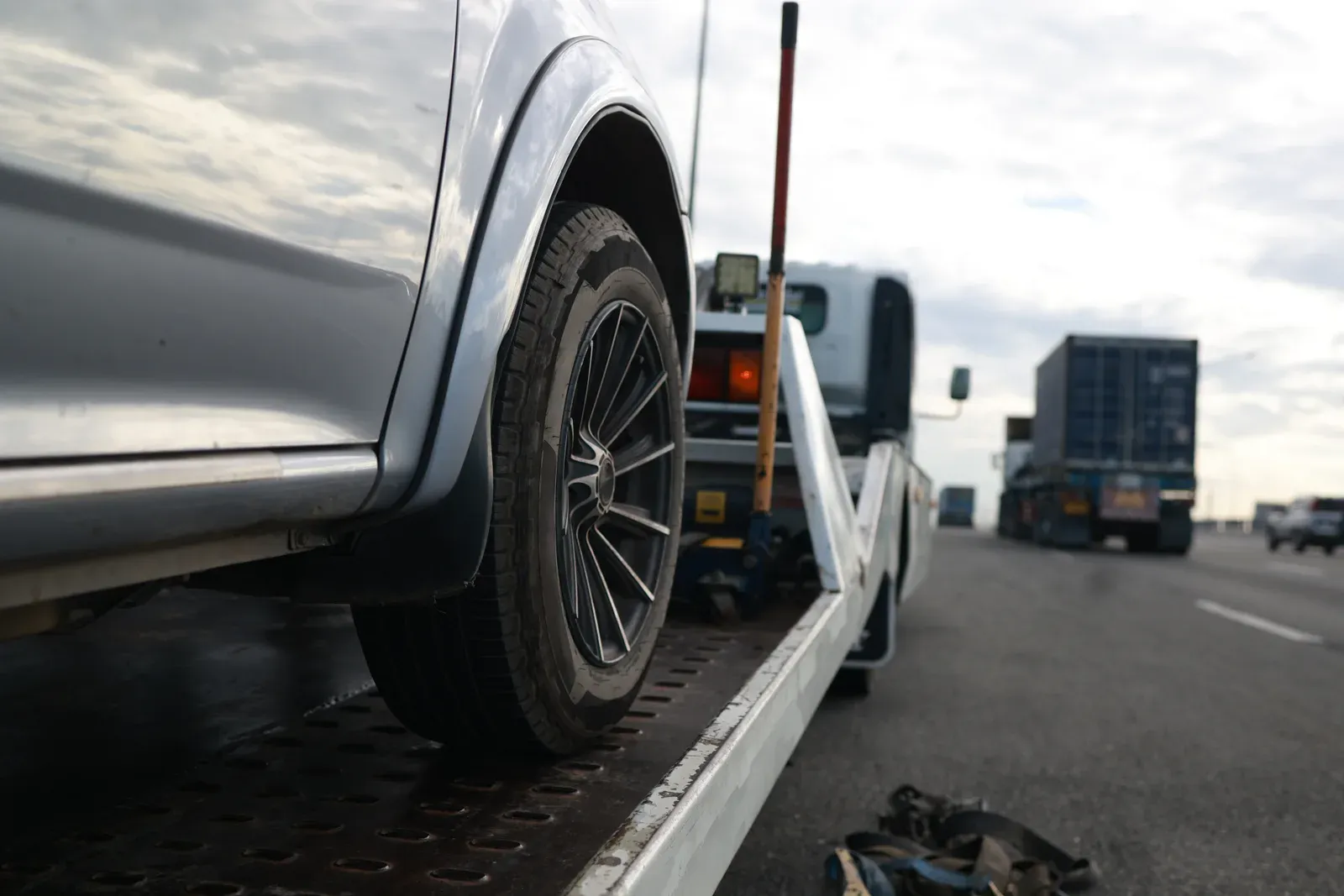
Ontario’s towing rules, in force since 2024, put provincially certified operators under real obligations — itemized invoices, disclosed rates, and your consent on the destination. You choose where your vehicle is towed. If a truck arrives that you did not call, you are allowed to decline it, and you are allowed to say the car goes to Collision Auto Center in North York rather than to a yard you have never heard of. Storage fees at an unfamiliar yard accumulate daily and come out of somebody’s claim.
If the car has already been taken to a Collision Reporting Centre or a storage lot, that is recoverable — call us at (647) 594-3401 and we help arrange the tow to the shop. We coordinate the pick-up and the paperwork; we are not a tow company ourselves, but we work with operators who do this properly, and getting the vehicle out of storage quickly is one of the most valuable moves in the whole claim.
Opening the CAA Insurance claim
CAA Insurance is the insurance arm of the club most Ontario drivers know for roadside service, and many of its policyholders are members — but the claim is a claim, and it runs like any other Ontario auto file. Report promptly, within the seven days the OAP 1 expects, with the collision details, the other driver’s information, photos, and the CRC report number if the crash met the injury or $5,000 combined-damage threshold.
Name the repair shop while filing, and say it clearly enough to end the routing conversation: Collision Auto Center, off Keele just south of Sheppard. For the record, we are an independent shop with no affiliation to, endorsement from, or preferred-shop arrangement with CAA Insurance or the club. Membership, discounts, and roadside benefits are matters between you and them; the repair is between you and us.
From tow-in to teardown
A towed-in car gets photographed on the flatbed and again as it comes off, because a vehicle that could not drive in usually has damage that goes past the sheet metal. The damaged area is disassembled before the estimate is finalized, everything behind it is photographed, and the repair plan is written from what is actually broken — suspension points and radiator supports included, which tow-in cars bend more often than driveable ones do.
The adjuster reviews the vehicle here, already apart. Structural damage goes on the bench and is measured against manufacturer specification before and after correction, with the readings kept in your file. The refinish is matched by reading the colour off your own paint and blended into the panels alongside, under our lifetime paint and refinish warranty, with a parts-and-installation warranty on replaced components.
- Tow coordinated from the scene, a CRC, or a storage yard
- Photographic record from flatbed to final delivery
- Teardown before the estimate on every tow-in
- Suspension and structure checked on vehicles that could not drive in
- Rental timed through your coverage to actual shop days
Supplements and getting you moving again
Non-driveable claims produce supplements more often than average, because more of the damage hides until teardown. We file each one with photographs, part numbers, and the labour operations behind them, and we keep the authorized work moving while added lines are reviewed. You see what we filed, when, and why — the claim should never be a black box to the person whose car it is.
A rental is typically covered while the vehicle is down when you were not at fault, or under OPCF 20 loss-of-use coverage if your policy carries it, and we arrange the timing through your coverage so covered days line up with actual repair days. Coverage questions always come back to your policy terms; logistics are the part we can simply take off your plate.