What is actually behind a bumper cover
The painted part of a bumper is a flexible plastic skin. The parts that matter sit behind it: an energy absorber designed to crush once, a metal reinforcement bar, mounting brackets and tabs, and — on most vehicles built in the last decade — parking sensors, radar for cruise control and emergency braking, sometimes a camera washer line. A 15 km/h tap can leave the cover with nothing but a scuff while the absorber behind it is flattened and a sensor bracket hangs by half its plastic. The cover springs back; the crash protection does not.
That anatomy is why we will not price a Whitby bumper from the outside of the car, and why photo estimates from here come with an honest asterisk: the written number covers what the photos show, and the cover comes off before the number is final. On a claim, that teardown step protects you — the supplement for hidden damage goes to your insurance company early with photographic evidence, instead of surfacing as a dispute after the repair is half done and you are 50 kilometres away.
The Whitby tap map
Bumper files from Whitby follow the town’s rhythms. The 401 contributes the classic creep-and-tap rear-ends wherever the afternoon backup sits — the collector lanes by Thickson, the ramp queues at Brock Street. Surface streets add the left-turn and drive-through geometry: the signal spacing along Dundas through the Whitby Mall corridor, the plaza entrances on Taunton and Garden where a car stops halfway into traffic and the one behind it commits. School pickup loops and the arena lots at Iroquois Park produce their share of reversing taps at walking speed.
The at-home category is its own economy in the newer subdivisions. Double driveways hold multiple vehicles at angles that change daily; garage door frames, basketball poles, and the corner of the other family car all collect rear bumper corners. Winter adds windrows at the driveway mouth — backing through one at the wrong angle drags the lower valance off its clips — and hidden ice ridges that a front splitter finds before the driver does. Almost none of this bends metal past the bumper system itself, which is exactly what the system is for; the job is putting it back to spec so it can do it again.
Repair or replace — and who ends up paying
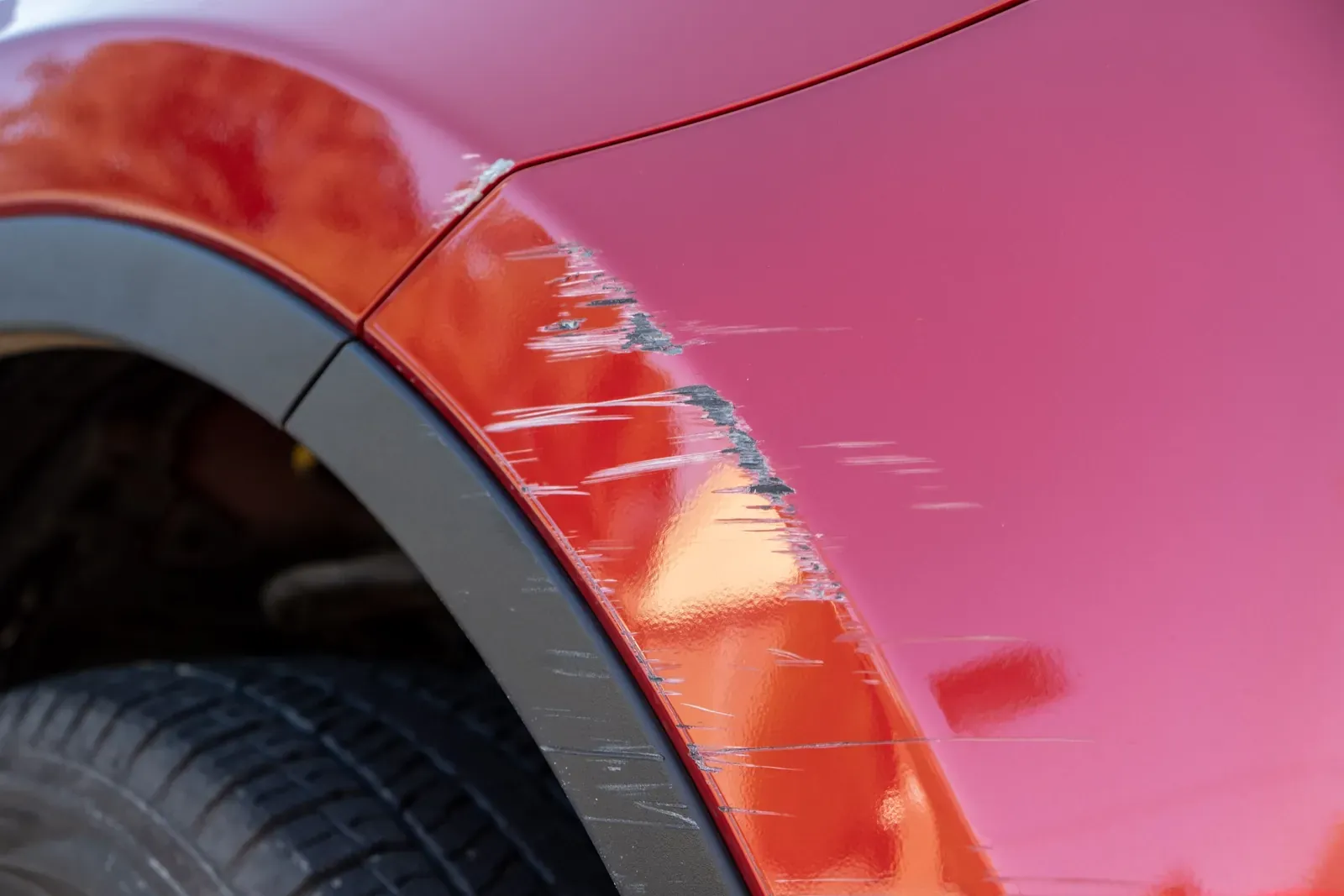
Whether a bumper is repaired or replaced comes down to the cover’s condition and what died behind it. A scuffed or lightly cracked cover with intact tabs can often be repaired and refinished for less than replacement. Torn plastic, broken mounting tabs, or damage at a sensor housing usually tips the math toward a new cover — and we specify OEM parts, pressing your insurance company hardest wherever radar or parking sensors mount to the part, because sensor aim tolerances are not a place for approximate fit. Crushed absorbers and bent reinforcement bars are always replaced; they are single-use by design.
On the payment side: if another driver hit you, your own insurance company covers your not-at-fault share under Ontario’s DCPD system, and where you are assessed zero percent at fault there is typically no deductible to pay unless your policy carries one for DCPD claims — worth confirming when the claim opens, and we help you ask the right question. If the damage is your own doing and small, the photo estimate lets you compare the out-of-pocket price against your deductible before involving anyone. Either way the finish is blended and warranted for life, and the whole job is planned around one trip down the 401 — drop-off timed to your commute, rental timed to your arrival, pickup of a finished and inspected car.
- Cover-off inspection of absorber, reinforcement, and brackets
- OEM parts specified where sensors or radar mount to the bumper
- Out-of-pocket price versus deductible laid out before any claim is filed
- Refinished cover blended to the body and warranted for life