The cover is the least of the system
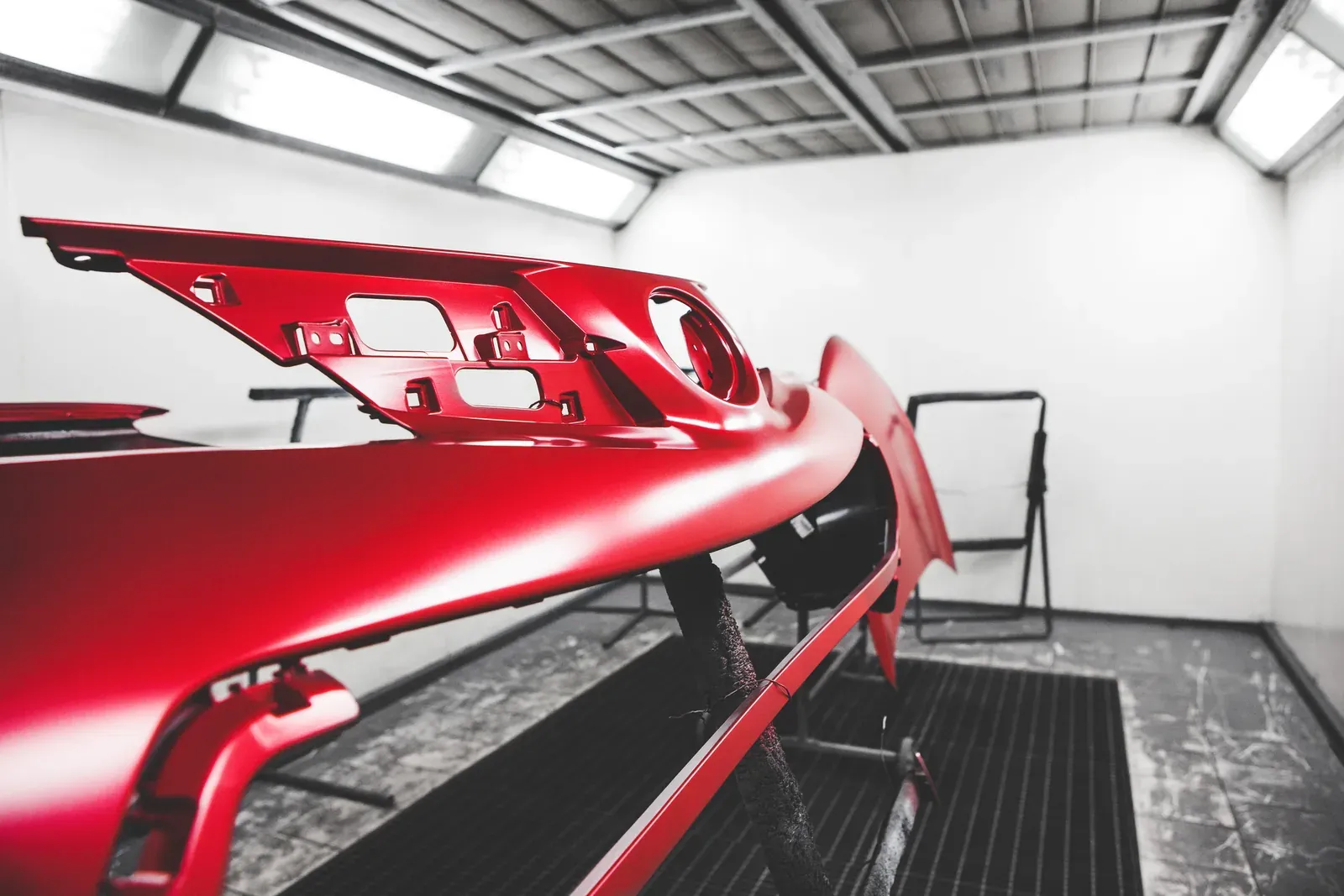
What you see on the outside of a modern bumper is a painted plastic skin. Behind it sits the machinery that actually earns the name: an energy absorber engineered to crush exactly once, mounting brackets that crack rather than bend, a reinforcement bar, and — on most vehicles of the last decade — parking sensors or a radar module aimed to tolerances no eye can verify. A cover that took a hit and popped back into shape can be hiding an absorber that already spent its single crush, which means quietly reduced protection in the next impact. Nothing about that shows in a photo.
So the sequence here is fixed: the cover comes off, the layers behind it get photographed, and only then does the estimate become final. A photo quote is a useful starting point and we will give you one from your pictures — but it is a starting point by design, and we say so, which is why our final numbers do not grow on customers halfway through a repair.
How the Junction keeps bumpers employed
Dundas St W is a parallel-parking street from Runnymede to the Diamond, and parallel parking on a busy retail strip is played to the centimetre — corner scuffs, paint transfer from the car behind, and cracked lower lips from high curbs are the standing tariff. The Stockyards lots contribute concrete curb stops that catch low front covers, and the stop-start rhythm of St. Clair through the retail stretch produces the classic 15 km/h tap at the lights. None of it is dramatic; all of it deserves a look behind the cover.
Winter adds the neighbourhood’s specialty: the frozen windrow. Plow ridges harden along the narrow streets off Annette and at every laneway mouth, and a rear cover backed against one at idle speed can crack the plastic, pop fasteners, or drive the cover into its brackets. The rail underpasses do their part too — the tight walls at Old Weston Rd have clipped plenty of corners. When the plastic is sound, scuffs and short cracks repair and refinish beautifully; torn or creased-through covers get replaced, and where sensors mount to the cover we press your insurance company for OEM, because aftermarket tolerance on a sensor mount is a gamble we do not recommend taking.
- Cover removed and the system behind it photographed before the final quote
- Spent absorbers and cracked brackets replaced, never reused
- OEM covers argued for wherever sensors and fit are at stake
- Sensor aim and function verified after reassembly, recalibration included where the manufacturer requires it
Small job, small footprint on your week
Bumper work is the quickest bodywork on our board — with parts in hand, most jobs run days, not weeks — and we keep the process proportionate. Photos to (647) 594-3401 bring back a written starting number; the drive up Keele is 14 to 22 minutes; doors are open 8 AM to 7 PM Monday to Saturday and Sundays by appointment; estimates cost nothing. Refinished covers are colour-matched to your car’s actual finish, blended, and warranted for life.
Before work starts, you see the money both ways. A corner scuff often lands under a typical deductible and belongs out of pocket. A replacement cover with sensors and a required recalibration almost never does, and belongs on a claim — and when another identified driver caused it and the fault is not yours, DCPD can put the repair through your own insurance company, subject to the fault rules, your policy, and their approval. The owner opens that file, deals with the adjuster, and updates you until the car is back on its Junction street.